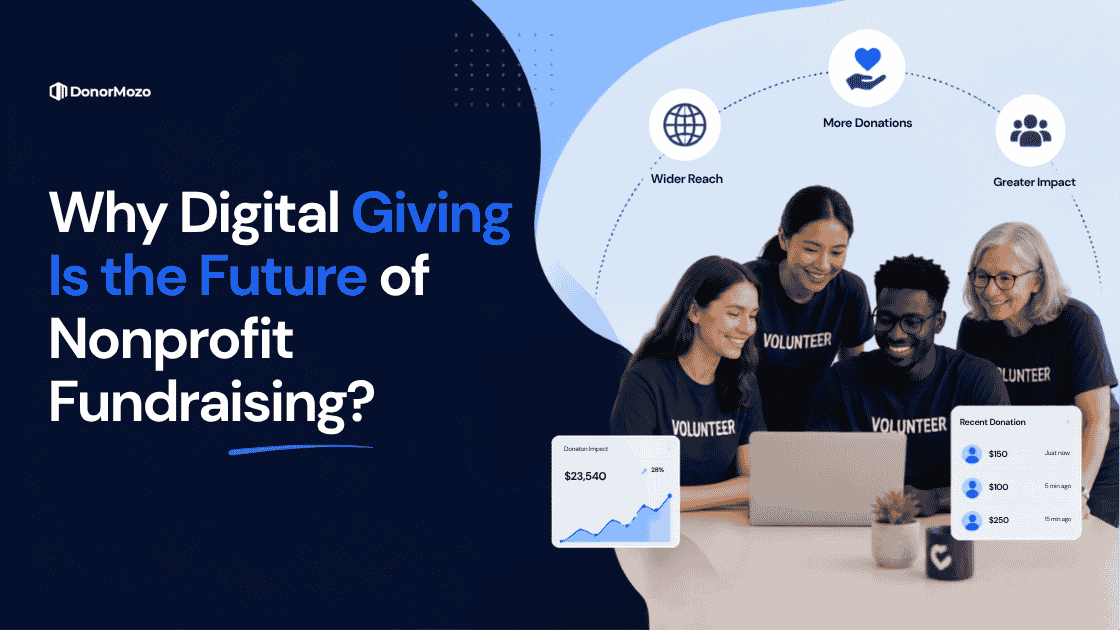

One of the major goals for your nonprofit could be overcoming the tough competition in raising funds. Peer-to-peer fundraising can be a reliable option to generate donations. In this method, you invite supporters to share your cause with friends and family, spreading your mission quickly.
You can inspire more people to make donations and attain your fundraising objectives. This method also builds stronger connections between your supporters and your mission. Each participant feels personally involved, which encourages them to contribute more actively.
What is Peer-to-Peer Fundraising
Peer-to-peer fundraising involves supporters helping a cause by creating their own fundraising pages. This allows them to collect donations directly, making the process more personal and engaging. Each supporter becomes a voice for your mission, sharing your story with their own networks of friends and family.
This method also creates a dependable fundraising opportunity. By implementing team fundraising or p2p or social fundraising strategies, peer-to-peer participants can reach more people. This approach increases awareness, builds community, and encourages continued support.
How the Model Works
The fundraising process starts with your main campaign, which sets the tone and goal for your efforts. Supporters then become a peer-to-peer fundraiser, sharing their page to raise money on your behalf. Each participant can reach out to people who might not otherwise know about your cause, widening your reach significantly.
You can use fundraising software to track each personal campaign and personalize updates for supporters. This ensures every contribution is recognized and participants stay motivated. Each supporter helps participants to raise funds, contributing to your organization’s overall success. By tracking activity, you can identify top performers and provide encouragement, creating momentum for your campaign.
Key Elements of a Campaign
A strong campaign page explains your cause, inspires action, and motivates supporters to participate. Individual fundraising pages allow each peer-to-peer fundraising participant to track progress, share updates, and celebrate milestones. This transparency encourages more engagement and larger contributions.
Combining peer-to-peer fundraising and crowdfunding maximizes reach and efficiency. It allows supporters to contribute in multiple ways, whether through personal networks or broader online campaigns. Every effort helps funds for your mission grow faster, while creating a sense of community among your supporters. When participants see their impact, they are more likely to stay involved and continue supporting future campaigns.
Benefits of Peer-to-Peer Fundraising for Nonprofits
This method helps your organization reach new supporters and build long-term trust. By involving your supporters directly, you create a personal connection that encourages continued engagement and loyalty. Unlike traditional fundraising methods, peer-to-peer fundraising allows each supporter to become an active ambassador for your mission. That increases your reach and credibility.
Reach New Supporters
Supporters can tap into networks of friends and family, bringing in new supporters who might not have heard of your nonprofit. This method allows your volunteers to fundraise on your behalf, expanding your audience without requiring extra effort from your staff. Each supporter shares their personal story, making the appeal more authentic and increasing the likelihood of donations for your nonprofit.
By engaging these networks, you also gain access to new communities and potential long-term donors. Every person who shares your mission contributes to your visibility and helps build stronger relationships with supporters.
Boost Fundraising Efforts
Fundraising efforts improve when more people participate. With a larger team, you can reach more donors and raise funds for your mission faster. You can create friendly peer-to-peer fundraising ideas or organize events that encourage contributions from multiple sources.
By providing supporters with the tools, templates, and guidance they need, you make it easier for them to participate. This increases overall contributions and ensures your campaign achieves its fundraising goal. A motivated supporter network can create momentum that attracts even more donors, multiplying the impact of your efforts.
Build Strong Engagement
You can engage donors using regular updates, incentives, and friendly competition with leaderboards. Recognizing top performers and celebrating milestones keeps participants motivated.
Peer-to-peer fundraising empowers supporters to connect personally with your mission. It allows them to see the direct impact of their work, which fosters loyalty and encourages continued involvement. Engaged supporters are more likely to share your campaign on social media, and invite others to contribute.
This approach not only boosts fundraising results but also strengthens your community. It transforms supporters into advocates who help your organization grow sustainably and ensure long-term benefits beyond a single campaign.
Types of Peer-to-Peer Fundraising Campaigns
A peer-to-peer fundraising campaign can take many forms. Each campaign could engage people differently, depending on your goals, the type of supporters you have, and the resources available. By choosing the right type of campaign, you can maximize participation and ensure that your fundraising goal is met efficiently.
Event-Based Campaigns
A fundraising event brings energy, excitement, and a sense of community to your cause. Events are a great way to motivate supporters because people enjoy coming together to support something meaningful. Events like runs, walks, bike rides, or charity dinners work well because they combine fun and fundraising.
Event-based campaigns also create opportunities for team fundraising, allowing groups of supporters to compete in a friendly competition with leaderboards. That encourages more participation and higher donations. These events help your nonprofit’s mission reach a wider audience.
Online Campaigns
Online fundraising campaigns allow you to reach supporters anywhere, making it easy for people to contribute even if they cannot attend events in person. This method is especially effective for fundraising online, as it uses social media, email, and other digital tools. They can engage a larger audience.
Supporters can create personal campaign pages and share them with their networks. That helps others raise money on your behalf. Online campaigns also allow you to combine peer-to-peer fundraising and crowdfunding. It can increase the overall fundraising opportunity and make it easier for volunteers to achieve your organization’s goals.
Personal Campaigns
Individuals organize personal campaigns to raise awareness and drive donations for your cause. Each campaign can target specific networks. Supporters can reach friends, family, coworkers, and social media contacts who are personally connected to them.
This method helps your volunteers fundraise on your behalf while giving them a sense of ownership and pride in their efforts. Such campaigns are highly effective because they create authentic, heartfelt appeals that resonate with potential donors. When combined with updates, incentives, and peer-to-peer fundraising ideas,
By offering multiple campaign types, you give your supporters flexibility to choose the method that works best for them. This increases participation and ensures your nonprofit can engage donors in meaningful ways throughout the year.
How to Plan a Successful Campaign
A successful peer-to-peer plan requires clear steps and careful organization. A well-designed fundraising strategy where individuals take action ensures that every participant knows their role and can contribute effectively. Planning ahead reduces confusion, keeps supporters motivated, and increases the likelihood that your fundraising goal will be achieved.
Set Clear Goals
A defined fundraising goal guides participants to raise funds effectively. Each supporter understands what they need to achieve and can plan their efforts accordingly. Clear goals also help you measure progress, provide timely updates, and celebrate milestones with your volunteers.
By setting realistic and measurable objectives, you can keep the momentum going in the campaign. Supporters feel motivated when they see tangible results and know that their efforts directly impact your nonprofit’s mission. This clarity also allows for better allocation of resources and makes it easier to adjust your strategy if needed.
Choose the Right Platform
A peer-to-peer fundraising platform or fundraising software helps manage all tasks efficiently. The right platform simplifies tracking, communication, and reporting, making it easier to support each participant. Platforms often provide features like personalized campaign pages, social sharing tools, and automated updates to keep supporters engaged.
Choosing the right platform also allows you to integrate peer-to-peer fundraising and crowdfunding. Participants have more options to raise money on your behalf.
Create a Strong Strategy
A strong strategy involves creating engaging content, providing clear instructions for participants, and offering incentives for top performers. Communicating expectations clearly ensures everyone knows their responsibilities and helps avoid confusion.
That’s best for meeting goals and boosting your nonprofit’s impact. A strong strategy also encourages peer-to-peer participants to remain active in the campaign. That helps them fundraise on your behalf and grow long-term support for your mission. When every participant understands their role and feels empowered, your campaign has a higher chance of exceeding its fundraising goal.
Best Practices for Better Results
Follow peer-to-peer fundraising tips to engage supporters fully and keep them motivated throughout your campaign. Implementing these strategies ensures effective peer-to-peer fundraising results while maximizing your nonprofit’s reach and impact. By guiding participants and providing them with the right tools, you can increase contributions and strengthen your community of supporters.
Motivate Participants
Encourage participants to stay active, share progress regularly, and celebrate milestones. When supporters see how their efforts make a difference, they feel valued and empowered. Peer-to-peer participants feel a stronger connection to your mission, and their motivation directly impacts funds for your mission.
You can also provide incentives, recognition, or small rewards for top performers. Publicly highlighting successes helps build excitement and encourages others to contribute. Regular communication, updates, and appreciation messages keep your volunteers engaged and eager to participate.
Use Social Sharing
Use social tools to spread the word efficiently. Encourage supporters to share updates on social media and invite friends and family to donate. Let participants promote your campaign, creating a ripple effect that reaches far beyond your immediate network.
Sharing stories, photos, and progress updates helps supporters connect emotionally with your cause. This not only drives more donations but also strengthens long-term engagement. It builds a loyal community that continues to support future campaigns.
Add Friendly Competition
Friendly competition motivates participants to stay active and push for higher results. Using friendly competition with leaderboards adds excitement and encourages supporters to increase their efforts. Participants can see how they rank compared to others, which fosters motivation.
Competition also helps volunteers raise funds for your organization more effectively by inspiring them to engage their networks and challenge themselves. Combining competitive elements with recognition for top contributors ensures everyone feels valued while driving better results.
By implementing these best practices throughout your peer-to-peer fundraising campaign, you create a dynamic, engaging experience for participants. This approach ensures that your nonprofit reaches its fundraising goal, collects more donations for your cause.
Tools and Platforms to Use
Fundraising platforms provide essential tools for managing campaigns efficiently and effectively. They help you organize every aspect of your peer-to-peer fundraising campaign, from tracking individual contributions to managing peer-to-peer participants. Using the right platform also allows you to measure progress, and make adjustments in real-time to boost fundraising efforts.
Platforms simplify communication between your team and participants. You can send updates, provide guidance, and encourage supporters throughout the campaign. With organized tools, participants can focus on engaging their networks, while you ensure that your nonprofit stays on track to reach its fundraising goal.
Top Platforms
Select from top peer-to-peer fundraising platforms to help volunteers fundraise on your behalf. Choosing the right platform ensures your efforts are efficient and impactful. That also gives participants the best experience and increases overall contributions.
Top platforms also provide insights into supporter behavior, donation patterns, and engagement levels. This information allows your team to refine strategies, target the most active volunteers, and provide additional support where needed.
Useful Features
Use fundraising tools, fundraising software, and email and social post templates to streamline campaign management. These features allow each supporter to personalize their campaign efficiently, making their outreach more compelling and effective.
Personalization increases engagement because supporters can share their own stories, photos, and experiences related to your cause. Platforms that offer reporting and analytics also make it easier to celebrate milestones, and highlight top contributors. That can maintain momentum throughout the campaign.
By using the right combination of tools and platforms, you ensure that your peer-to-peer fundraising campaign runs smoothly. Proper tools reduce administrative work, allowing your team to focus on building relationships and driving participation.
How to Launch Your Campaign
Start planning your next peer-to-peer campaign carefully. Proper execution ensures success, helps your volunteers stay motivated, and allows your organization to reach its full fundraising potential. Taking the time to plan ahead ensures that every supporter understands their role and that your campaign runs smoothly from start to finish.
Recruit Supporters
Invite volunteer fundraisers to join the planning process. They can help achieve recruitment and fundraising goals. By providing clear instructions, templates, and training, you can ensure that each participant is prepared to create a strong campaign.
Recruiting the right supporters also builds momentum for your campaign. Early participants often encourage others to join, creating a ripple effect. As a result, you can see your peer-to-peer fundraising campaign leading to success. Engaged volunteers are more likely to share updates, track progress, and motivate their networks to contribute funds for your mission.
Promote Your Campaign
Use platforms like Facebook and other social media channels to promote your campaign. Supporters can share updates, progress, and success stories on social networks, helping to increase donations for your cause.
You can also create a content calendar with regular posts, graphics, and stories to maintain engagement throughout the campaign. Encouraging participants to share personalized messages makes the outreach more authentic, and increases donor interest. That helps your message reach more people.
Track and Improve Performance
Use insight tools to measure the impact of your campaign. Tracking metrics such as donations, participant activity, and social engagement allows you to make informed decisions and optimize your approach.
This ensures your organization reaches its goals before the campaign ends. You can identify which strategies are working, recognize top participants, and provide additional support where needed. Monitoring progress also helps you celebrate milestones publicly, boosting morale and encouraging further participation.
Plan carefully, recruit supporters, promote effectively, and track performance. That can create a campaign that not only meets your fundraising goals but also strengthens long-term relationships with donors. This holistic approach ensures your nonprofit organization continues to grow and thrive.
Common Mistakes to Avoid
Avoid issues in p2p fundraising campaigns by planning carefully. Even highly motivated supporters may underperform if they lack guidance, tools, or clear goals. Understanding potential pitfalls ahead of time ensures your peer-to-peer fundraising campaign runs smoothly and achieves its fundraising goal.
Lack of Planning
Skipping steps in a fundraising strategy where individuals act alone can significantly reduce results. Without proper planning, participants may feel confused or unsure about their responsibilities, which limits the impact of their efforts.
Proper planning encourages participants to raise funds effectively while understanding the campaign timeline, objectives, and expectations. Providing training, templates, and guidance increases confidence and improves results. When each supporter knows exactly what they need to do, you can maximize contributions and ensure a smoother campaign experience.
Poor Engagement
Failing to engage supporters reduces overall impact. Volunteers must feel connected to the mission and empowered to fundraise on your behalf. Regular communication, updates, and recognition help participants stay motivated.
You can refer to peer-to-peer fundraising tips such as sending reminders, sharing success stories, and offering friendly competition with leaderboards to maintain excitement. Engaged supporters are more likely to share their campaign, attract donations for your cause, and encourage others to participate. Without engagement, even the best campaign plan may fall short of its potential.
Ignoring Campaign Data
Ignoring campaign data removes valuable insight that can improve future efforts. Tracking results, including donations, volunteer activity, and social engagement, helps you identify what works and what needs adjustment.
By analyzing data, you can provide better support for peer-to-peer participants, optimize strategies, and increase overall fundraising efforts. Using analytics also allows your leadership to plan smarter campaigns, recognize top performers, and provide timely feedback. When you track performance carefully, each new campaign can be more effective and impactful than the last.
Avoiding these common mistakes ensures your fundraising campaign is successful, builds long-term supporter relationships, and maximizes funds for your mission. Careful planning, active engagement, and data-driven decisions are essential to achieving lasting results.
Conclusion
To achieve the best results, always plan your campaigns carefully and involve your supporters early. Keep participants motivated by providing guidance, regular updates, and recognition for their efforts. Track progress throughout the campaign to understand what works and adjust strategies when needed.
Subscribe to our Newsletter
Subscribe for latest Non-profits, Political and Temple Related Updates.