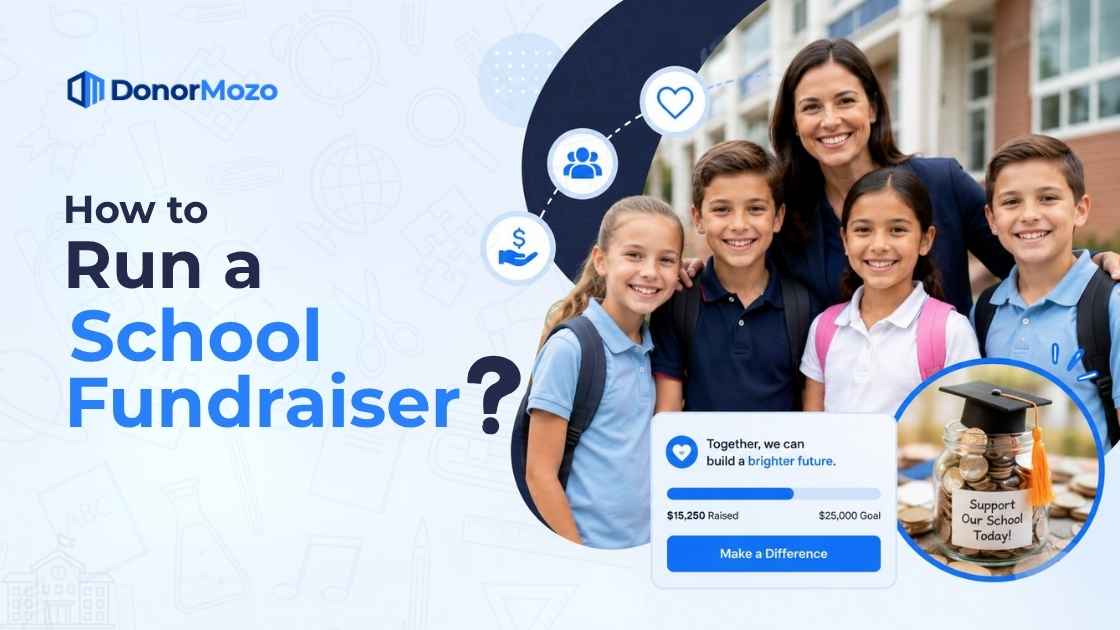
How to Run a School Fundraiser That Really Works ?

Raising money for your school is not a straightforward task. It poses challenges at every step. You might also be unsure where to start. That is why you need to understand the process and learn how to run a well-planned school fundraiser.

By learning the right strategies, you can raise money for your school. Engaging your school community and implementing strategic approaches can increase donor participation. Their monetary contributions will  support your school.

If you have not started a fundraising event, start now. Delaying can reduce your fundraising potential.

What is School Fundraising

It is the work of students, teachers, and families to raise funds for school projects, programs, or events. It can involve selling products, hosting events, or running online campaigns. This method helps schools meet their money-raising goals while building a stronger school community.

Raising funds can look different depending on the school type. Fundraising in public schools often focuses on programs, sports, and extracurricular activities. And, fundraising for private schools may support scholarships, facility upgrades, or special programs. Knowing the type of school helps you choose the most effective fundraising ideas.

A successful fundraiser does more than just raise money. It encourages school spirit, strengthens the connection between students, parents, and staff, and creates lasting memories. Creative school fundraising ideas motivate participation and help volunteers understand how they can contribute.

Using a variety of approaches also increases fundraising potential. For example, hosting multiple campaigns ensures that your school consistently achieves its monetary goals. In addition, a strong campaign can support your school initiatives while encouraging students to take responsibility and maintain teamwork.

By involving members of your school, you create an inclusive and productive fundraising. .

Planning Your School Fundraiser

Creating an impactful strategy is the backbone of your money-raising campaign. A focused plan helps you stay organized and reach your targets.  When you prepare early, you reduce risks and improve results. A structured approach also helps your team stay focused and work with confidence.

Set Clear Goals

Before you begin, set clear fundraising objectives. Knowing how much money you want to raise helps you plan effectively and measure success. Goals give direction to students, staff, and volunteers, ensuring everyone works toward the same target.

A strong goal also allows you to calculate the fundraising potential of your campaign. For instance, if your goal is to support a new library or sports program, knowing the exact target helps decide the type and scale of your fundraising efforts.

Choose the Right Type of Fundraiser

There are many types of fundraising your school can use. You might host a fundraising event, sell cookie dough, or offer popcorn for purchase. High schools can try fundraising campaigns like auctions, raffles, or concession sales during sports events.

Creative ideas keep students engaged and make the fundraiser memorable. Good fundraising ideas for elementary schools include bake sales, car washes, or fun runs. Selecting the right type of fundraiser ensures everyone participates and enjoys the experience.

Budget and Resources

Careful planning includes estimating costs, materials, and time. Careful assessment is essential for items like order forms, donation pages, and ticket sales. Make sure the expenses do not exceed your fundraising potential.

Knowing your resources allows you to start a fundraiser without stress. By preparing materials in advance and organizing volunteers, you ensure the fundraiser runs smoothly. This planning step increases your chances of meeting or exceeding your fundraising goals.

Involve the School Community

A successful fundraiser includes your school members in every step. Engaging students, parents, teachers, and staff strengthens connections and encourages participation. When the whole community works together, you can support your school.

By involving your community early, your school can generate excitement and encourage friendly competition. Everyone can contribute, whether through selling items, volunteering at events, or spreading the word to friends and family.

Organizing the Fundraiser

By structuring your fundraiser, you can avoid hassles. A clear structure keeps every task on track and prevents confusion. When you plan each step carefully, your team works faster and more effectively. Good organization also improves results and keeps everyone focused.

Recruit Volunteers

To run a successful fundraiser, recruit your school employees, parents, teachers, and staff to help. Volunteers can manage different tasks like selling items, setting up events, and handling online pages. Engaged volunteers strengthen your fundraising efforts and make the event run smoothly.

Encouraging everyone to participate also builds the school community. Students feel proud to contribute, and parents enjoy supporting their children. Early involvement ensures your fundraising reaches its maximum.

Promote Your Fundraiser

Promotion is essential to reach your goals. Use flyers, newsletters, and social media to promote the event. If hosting a campaign, coordinate with staff and families so everyone is aware and can participate.

You can also run an online school fundraising campaign using donation pages. Sharing updates and progress keeps participants motivated and allows supporters to raise money for your school.

Create a Fundraising Timeline

Set deadlines for selling items, collecting donations, and finalizing your fundraising event. Planning fundraisers throughout the year ensures your school maintains momentum and meets fundraising goals.

Scheduling multiple fundraisers allows you to target different groups of students, parents, and staff at the same time, maximizing participation. Clear timelines help volunteers and students stay organized, ensuring the campaign runs efficiently.

Prepare Materials and Logistics

Gather materials like order forms, raffle tickets, or items to sell concessions. Make sure everything is ready before the campaign starts. Proper preparation avoids delays, confusion, or lost opportunities to raise funds.

Having all resources ready also makes it easier to track sales and donations, boosting efficiency and ensuring your fundraiser is successful.

Running the Fundraiser

Execution is where your planning turns into real results. A well-managed fundraiser keeps participants active and focused. Clear roles and smooth coordination help avoid delays. When you guide your team properly, the performance improves. As a result, you will achieve your targets faster.

Selling Items and Tickets

One of the easiest ways to raise money is by selling items like cookie dough, popcorn, or gourmet popcorn. Set a suggested donation or price for each item to make it simple for supporters.

You can also sell tickets for events, raffles, or auctions. Collecting tickets ahead of time helps organize the school fundraising event and ensures your fundraising goals are met. When students and volunteers actively participate, your potential to raise money strengthens.

Hosting Events

A fundraising event brings excitement and engagement to your campaign. Events like bake sales, auctions, or concession stands motivate the school community to participate. You can also plan an auction or run a raffle to boost donations.

Online campaigns work well too. Online school fundraising allows parents and community members to contribute even if they cannot attend in person. Combining in-person and online efforts maximizes your fundraising results.

Engaging the School Community

Encourage students, staff, and families to participate. When members of your school are involved, it strengthens school spirit and creates enthusiasm for the fundraiser.

Use incentives like prizes or recognition to motivate volunteers. Allowing them to donate prizes or set challenges increases participation. Engagement ensures your fundraising efforts reach more people. That helps your school raise funds efficiently.

Encourage Creativity

Let students and volunteers come up with creative ideas for fundraising. Whether it’s themed events, unique product sales, or fun contests, creativity boosts excitement and helps your campaign stand out. Creative approaches also increase the likelihood of meeting fundraising goals and maintaining long-term interest in school fundraisers.

Tracking and Improving Results 

You need to determine what is working and what needs to change. That is why you must track the performance of your campaign. A clear review process improves future performance and reduces mistakes. When you measure progress regularly, you can adjust quickly and stay on track. Strong tracking ensures better outcomes and steady improvement.

Monitor Progress

Tracking your fundraising prospects is essential to ensure your school reaches its goals. Keep detailed records of sales, ticket collections, and donations through donation pages or spreadsheets.

Monitoring allows you to see which campaigns perform best. For example, selling cookie dough or popcorn may outperform other methods. You can then adjust your strategy to maximize results and plan future events effectively.

Evaluate Fundraisers

Running fundraisers throughout the year keeps your community engaged. Review past events to identify what worked well and what needs improvement. This evaluation helps you refine your fundraising ideas and plan more successful campaigns in the future.

Gather Feedback

Ask students, parents, and staff for input after each event. Feedback helps you improve your process, increase participation, and better engage members of your school for upcoming fundraisers.

Understanding what motivates your supporters allows you to maximize your fundraising prospects. For instance, some families may respond better to online campaigns, while others prefer traditional school fundraising events.

Plan for Continuous Improvement

Use insights from each campaign to make the next fundraiser bigger and more effective. Learning from past experiences ensures your school can consistently raise money, maintain enthusiasm, and reach ambitious fundraising goals.

Tips for Success

Strong execution leads to better results in every fundraiser. Simple actions can improve participation and increase impact. When you follow proven steps, you reduce risks and improve outcomes. A focused approach helps your team stay active and achieve targets faster.

Engage Everyone

A successful school fundraiser involves all members of your school. Encourage students, teachers, parents, and staff to participate actively. Engagement boosts school spirit and motivates volunteers to contribute their best efforts.

Use Creative Ideas

Incorporate creative ideas to make your fundraiser memorable. Consider themed events, contests, or selling unique items. Strategic elementary school fundraising ideas can include bake sales, art projects, or fun competitions. High schools may benefit from online campaigns, auctions, or concession stands. Creativity increases participation and maximizes donation potential.

Promote Widely

Spread the word through newsletters, flyers, social media, and parent-teacher networks. Promotion helps you support your school while reaching more donors. Well-publicized events and fundraising campaigns attract families, friends, and community members, increasing your fundraising efforts.

Track and Celebrate Achievements

Recognize volunteers and students for their contributions. Celebrating successes motivates future participation and builds pride within the community. Tracking progress also ensures your school meets its fundraising goals and encourages continued involvement in future fundraisers.

Plan Ahead

Planning future events while evaluating current campaigns helps your school stay organized. Scheduling fundraisers throughout the year ensures continuous engagement and strengthens your school’s ability to raise funds effectively.

Examples of School Fundraising Ideas
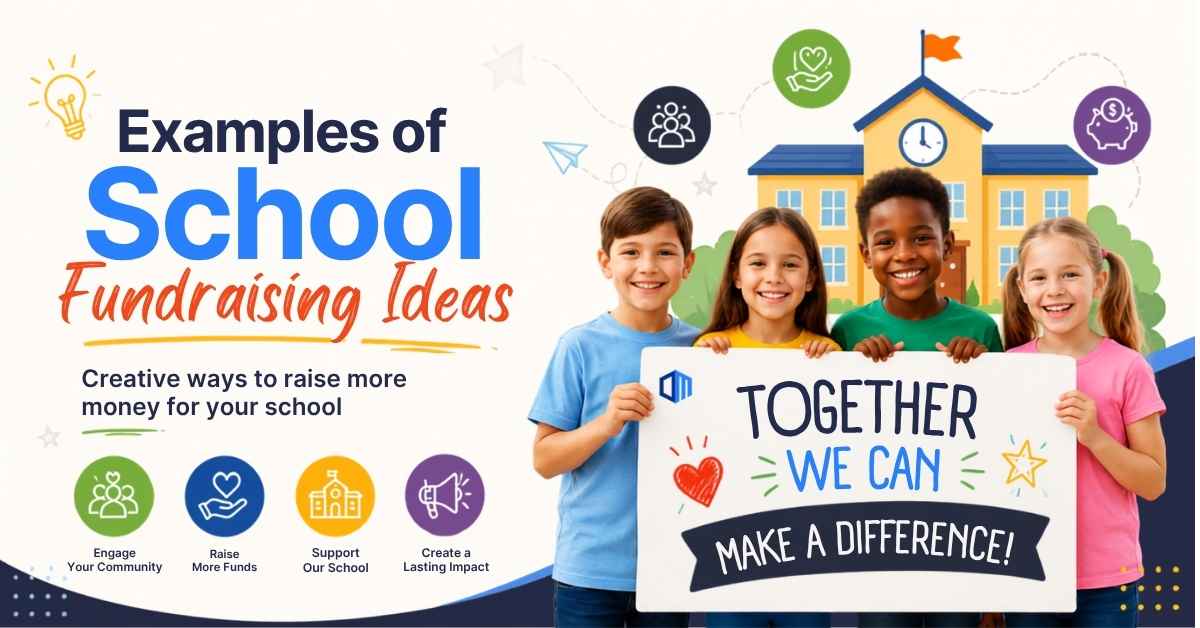
The right ideas can enhance participation and derive results. Different age groups respond to different activities. When you select suitable options, you increase engagement and success. A mix of simple and creative approaches keeps your fundraiser interesting and effective.

Elementary School Fundraising Ideas

For younger students, focus on great fundraising ideas for elementary schools that are fun and engaging. Bake sales, art projects, or themed sales encourage participation while teaching children teamwork and responsibility. These activities help students, teachers, and parents come together to support your school and build school spirit.

Other simple options include selling items like cookie dough or popcorn, which are easy to manage and popular with families. Using order forms ensures smooth tracking and allows students to contribute to the fundraising prospects of your campaign.

High School Fundraising

For older students, high school fundraising can be more ambitious. Hosting a raffle, planning an auction, or running fundraising events such as talent shows or sports tournaments engages the community and increases donations.

Selling gourmet popcorn, snacks, or selling concessions at events gives students hands-on experience managing sales and funds. Setting a suggested donation or offering small rewards for participation helps motivate volunteers and encourages supporters to raise money for your school.

Fundraising for Private and Public Schools

Both fundraising for private schools and fundraising in public schools benefit from structured planning. Private schools may focus on higher-ticket items, exclusive events, or scholarship fundraising. Public schools often host larger community events, school fairs, or donation drives.

Combining traditional events with online school fundraising allows more families and supporters to participate. Platforms for donation pages and online ticket sales make it easier for everyone to support your school. That increases overall fundraising prospects.

Creative Fundraising Campaigns

Other fundraising ideas include themed days or events, such as selling products. Creative campaigns maintain excitement and keep students engaged throughout the year.

Running multiple fundraisers ensures that your school consistently meets fundraising goals while providing students with diverse opportunities to contribute.

Conclusion

Running a successful school fundraiser requires careful planning, creativity, and community involvement. Start by setting clear goals and choosing activities that match your school’s needs. Engage students, parents, and staff, and make sure everyone understands their roles.

Promotion and organization are key. Use multiple channels to spread the word and prepare all materials in advance to avoid last-minute issues. Track progress throughout the event, celebrate achievements, and gather feedback to improve future fundraisers.

Remember, consistency is essential. Planning multiple events and maintaining involvement across the school year builds momentum, encourages participation, and strengthens community spirit. By following these steps, your school can create enjoyable, effective, and memorable fundraising experiences for everyone involved.

Top Peer-to-Peer Fundraising Tips to Help Nonprofits Thrive

One of the major goals for your nonprofit could be overcoming the tough competition in raising funds. Peer-to-peer fundraising can be a reliable option to generate donations. In this method, you invite supporters to share your cause with friends and family, spreading your mission quickly.

You can inspire more people to make donations and attain your fundraising objectives. This method also builds stronger connections between your supporters and your mission. Each participant feels personally involved, which encourages them to contribute more actively.

What is Peer-to-Peer Fundraising

Peer-to-peer fundraising involves supporters helping a cause by creating their own fundraising pages. This allows them to collect donations directly, making the process more personal and engaging. Each supporter becomes a voice for your mission, sharing your story with their own networks of friends and family.

This method also creates a dependable fundraising opportunity. By implementing team fundraising or p2p or social fundraising strategies, peer-to-peer participants can reach more people. This approach increases awareness, builds community, and encourages continued support.

How the Model Works

The fundraising process starts with your main campaign, which sets the tone and goal for your efforts. Supporters then become a peer-to-peer fundraiser, sharing their page to raise money on your behalf. Each participant can reach out to people who might not otherwise know about your cause, widening your reach significantly.

You can use fundraising software to track each personal campaign and personalize updates for supporters. This ensures every contribution is recognized and participants stay motivated. Each supporter helps participants to raise funds, contributing to your organization’s overall success. By tracking activity, you can identify top performers and provide encouragement, creating momentum for your campaign.

Key Elements of a Campaign

A strong campaign page explains your cause, inspires action, and motivates supporters to participate. Individual fundraising pages allow each peer-to-peer fundraising participant to track progress, share updates, and celebrate milestones. This transparency encourages more engagement and larger contributions.

Combining peer-to-peer fundraising and crowdfunding maximizes reach and efficiency. It allows supporters to contribute in multiple ways, whether through personal networks or broader online campaigns. Every effort helps funds for your mission grow faster, while creating a sense of community among your supporters. When participants see their impact, they are more likely to stay involved and continue supporting future campaigns.

Benefits of Peer-to-Peer Fundraising for Nonprofits

This method helps your organization reach new supporters and build long-term trust. By involving your supporters directly, you create a personal connection that encourages continued engagement and loyalty. Unlike traditional fundraising methods, peer-to-peer fundraising allows each supporter to become an active ambassador for your mission. That increases your reach and credibility.

Reach New Supporters

Supporters can tap into networks of friends and family, bringing in new supporters who might not have heard of your nonprofit. This method allows your volunteers to fundraise on your behalf, expanding your audience without requiring extra effort from your staff. Each supporter shares their personal story, making the appeal more authentic and increasing the likelihood of donations for your nonprofit.

By engaging these networks, you also gain access to new communities and potential long-term donors. Every person who shares your mission contributes to your visibility and helps build stronger relationships with supporters.

Boost Fundraising Efforts

Fundraising efforts improve when more people participate. With a larger team, you can reach more donors and raise funds for your mission faster. You can create friendly peer-to-peer fundraising ideas or organize events that encourage contributions from multiple sources.

By providing supporters with the tools, templates, and guidance they need, you make it easier for them to participate. This increases overall contributions and ensures your campaign achieves its fundraising goal. A motivated supporter network can create momentum that attracts even more donors, multiplying the impact of your efforts.

Build Strong Engagement

You can engage donors using regular updates, incentives, and friendly competition with leaderboards. Recognizing top performers and celebrating milestones keeps participants motivated.

Peer-to-peer fundraising empowers supporters to connect personally with your  mission. It allows them to see the direct impact of their work, which fosters loyalty and encourages continued involvement. Engaged supporters are more likely to share your campaign on social media, and invite others to contribute.

This approach not only boosts fundraising results but also strengthens your  community. It transforms supporters into advocates who help your organization grow sustainably and ensure long-term benefits beyond a single campaign.

Types of Peer-to-Peer Fundraising Campaigns

A peer-to-peer fundraising campaign can take many forms. Each campaign could engage people differently, depending on your goals, the type of supporters you have, and the resources available. By choosing the right type of campaign, you can maximize participation and ensure that your fundraising goal is met efficiently.

Event-Based Campaigns

A fundraising event brings energy, excitement, and a sense of community to your cause. Events are a great way to motivate supporters because people enjoy coming together to support something meaningful. Events like runs, walks, bike rides, or charity dinners work well because they combine fun and fundraising.

Event-based campaigns also create opportunities for team fundraising, allowing groups of supporters to compete in a friendly competition with leaderboards. That encourages more participation and higher donations. These events help your nonprofit’s mission reach a wider audience.

Online Campaigns

Online fundraising campaigns allow you to reach supporters anywhere, making it easy for people to contribute even if they cannot attend events in person. This method is especially effective for fundraising online, as it uses social media, email, and other digital tools. They can engage a larger audience.

Supporters can create personal campaign pages and share them with their networks. That helps others raise money on your behalf. Online campaigns also allow you to combine peer-to-peer fundraising and crowdfunding. It can increase the overall fundraising opportunity and make it easier for volunteers to achieve your organization’s goals.

Personal Campaigns

Individuals organize personal campaigns to raise awareness and drive donations for your cause. Each campaign can target specific networks. Supporters can reach friends, family, coworkers, and social media contacts who are personally connected to them.

This method helps your volunteers fundraise on your behalf while giving them a sense of ownership and pride in their efforts. Such campaigns are highly effective because they create authentic, heartfelt appeals that resonate with potential donors. When combined with updates, incentives, and peer-to-peer fundraising ideas,

By offering multiple campaign types, you give your supporters flexibility to choose the method that works best for them. This increases participation and ensures your nonprofit can engage donors in meaningful ways throughout the year.

How to Plan a Successful Campaign

A successful peer-to-peer plan requires clear steps and careful organization. A well-designed fundraising strategy where individuals take action ensures that every participant knows their role and can contribute effectively. Planning ahead reduces confusion, keeps supporters motivated, and increases the likelihood that your fundraising goal will be achieved.

Set Clear Goals

A defined fundraising goal guides participants to raise funds effectively. Each supporter understands what they need to achieve and can plan their efforts accordingly. Clear goals also help you measure progress, provide timely updates, and celebrate milestones with your volunteers.

By setting realistic and measurable objectives, you can keep the momentum going in the campaign. Supporters feel motivated when they see tangible results and know that their efforts directly impact your nonprofit’s mission. This clarity also allows for better allocation of resources and makes it easier to adjust your strategy if needed.

Choose the Right Platform

A peer-to-peer fundraising platform or fundraising software helps manage all tasks efficiently. The right platform simplifies tracking, communication, and reporting, making it easier to support each participant. Platforms often provide features like personalized campaign pages, social sharing tools, and automated updates to keep supporters engaged.

Choosing the right platform also allows you to integrate peer-to-peer fundraising and crowdfunding. Participants have more options to raise money on your behalf.

Create a Strong Strategy

A strong strategy involves creating engaging content, providing clear instructions for participants, and offering incentives for top performers. Communicating expectations clearly ensures everyone knows their responsibilities and helps avoid confusion.

That’s best for meeting goals and boosting your nonprofit’s impact. A strong strategy also encourages peer-to-peer participants to remain active in the campaign. That helps them fundraise on your behalf and grow long-term support for your mission. When every participant understands their role and feels empowered, your campaign has a higher chance of exceeding its fundraising goal.

Best Practices for Better Results

Follow peer-to-peer fundraising tips to engage supporters fully and keep them motivated throughout your campaign. Implementing these strategies ensures effective peer-to-peer fundraising results while maximizing your nonprofit’s reach and impact. By guiding participants and providing them with the right tools, you can increase contributions and strengthen your community of supporters.

Motivate Participants

Encourage participants to stay active, share progress regularly, and celebrate milestones. When supporters see how their efforts make a difference, they feel valued and empowered. Peer-to-peer participants feel a stronger connection to your mission, and their motivation directly impacts funds for your mission.

You can also provide incentives, recognition, or small rewards for top performers. Publicly highlighting successes helps build excitement and encourages others to contribute. Regular communication, updates, and appreciation messages keep your volunteers engaged and eager to participate.

Use Social Sharing

Use social tools to spread the word efficiently. Encourage supporters to share updates on social media and invite friends and family to donate. Let participants promote your campaign, creating a ripple effect that reaches far beyond your immediate network.

Sharing stories, photos, and progress updates helps supporters connect emotionally with your cause. This not only drives more donations but also strengthens long-term engagement. It builds a loyal community that continues to support future campaigns.

Add Friendly Competition

Friendly competition motivates participants to stay active and push for higher results. Using friendly competition with leaderboards adds excitement and encourages supporters to increase their efforts. Participants can see how they rank compared to others, which fosters motivation.

Competition also helps volunteers raise funds for your organization more effectively by inspiring them to engage their networks and challenge themselves. Combining competitive elements with recognition for top contributors ensures everyone feels valued while driving better results.

By implementing these best practices throughout your peer-to-peer fundraising campaign, you create a dynamic, engaging experience for participants. This approach ensures that your nonprofit reaches its fundraising goal, collects more donations for your cause.

Tools and Platforms to Use

Fundraising platforms provide essential tools for managing campaigns efficiently and effectively. They help you organize every aspect of your peer-to-peer fundraising campaign, from tracking individual contributions to managing peer-to-peer participants. Using the right platform also allows you to measure progress, and make adjustments in real-time to boost fundraising efforts.

Platforms simplify communication between your team and participants. You can send updates, provide guidance, and encourage supporters throughout the campaign. With organized tools, participants can focus on engaging their networks, while you ensure that your nonprofit stays on track to reach its fundraising goal.

Top Platforms

Select from top peer-to-peer fundraising platforms to help volunteers fundraise on your behalf. Choosing the right platform ensures your efforts are efficient and impactful. That also gives participants the best experience and increases overall contributions.

Top platforms also provide insights into supporter behavior, donation patterns, and engagement levels. This information allows your team to refine strategies, target the most active volunteers, and provide additional support where needed.

Useful Features

Use fundraising tools, fundraising software, and email and social post templates to streamline campaign management. These features allow each supporter to personalize their campaign efficiently, making their outreach more compelling and effective.

Personalization increases engagement because supporters can share their own stories, photos, and experiences related to your cause. Platforms that offer reporting and analytics also make it easier to celebrate milestones, and highlight top contributors. That can maintain momentum throughout the campaign.

By using the right combination of tools and platforms, you ensure that your peer-to-peer fundraising campaign runs smoothly. Proper tools reduce administrative work, allowing your team to focus on building relationships and driving participation.

How to Launch Your Campaign

Start planning your next peer-to-peer campaign carefully. Proper execution ensures success, helps your volunteers stay motivated, and allows your organization to reach its full fundraising potential. Taking the time to plan ahead ensures that every supporter understands their role and that your campaign runs smoothly from start to finish.

Recruit Supporters

Invite volunteer fundraisers to join the planning process. They can help achieve recruitment and fundraising goals. By providing clear instructions, templates, and training, you can ensure that each participant is prepared to create a strong campaign.

Recruiting the right supporters also builds momentum for your campaign. Early participants often encourage others to join, creating a ripple effect. As a result, you can see your peer-to-peer fundraising campaign leading to success. Engaged volunteers are more likely to share updates, track progress, and motivate their networks to contribute funds for your mission.

Promote Your Campaign

Use platforms like Facebook and other social media channels to promote your campaign. Supporters can share updates, progress, and success stories on social networks, helping to increase donations for your cause.

You can also create a content calendar with regular posts, graphics, and stories to maintain engagement throughout the campaign. Encouraging participants to share personalized messages makes the outreach more authentic, and increases donor interest. That helps your message reach more people.

Track and Improve Performance

Use insight tools to measure the impact of your campaign. Tracking metrics such as donations, participant activity, and social engagement allows you to make informed decisions and optimize your approach.

This ensures your organization reaches its goals before the campaign ends. You can identify which strategies are working, recognize top participants, and provide additional support where needed. Monitoring progress also helps you celebrate milestones publicly, boosting morale and encouraging further participation.

Plan carefully, recruit supporters, promote effectively, and track performance. That can create a campaign that not only meets your fundraising goals but also strengthens long-term relationships with donors. This holistic approach ensures your nonprofit organization continues to grow and thrive.

Common Mistakes to Avoid

Avoid issues in p2p fundraising campaigns by planning carefully. Even highly motivated supporters may underperform if they lack guidance, tools, or clear goals. Understanding potential pitfalls ahead of time ensures your peer-to-peer fundraising campaign runs smoothly and achieves its fundraising goal.

Lack of Planning

Skipping steps in a fundraising strategy where individuals act alone can significantly reduce results. Without proper planning, participants may feel confused or unsure about their responsibilities, which limits the impact of their efforts.

Proper planning encourages participants to raise funds effectively while understanding the campaign timeline, objectives, and expectations. Providing training, templates, and guidance increases confidence and improves results. When each supporter knows exactly what they need to do, you can maximize contributions and ensure a smoother campaign experience.

Poor Engagement

Failing to engage supporters reduces overall impact. Volunteers must feel connected to the mission and empowered to fundraise on your behalf. Regular communication, updates, and recognition help participants stay motivated.

You can refer to peer-to-peer fundraising tips such as sending reminders, sharing success stories, and offering friendly competition with leaderboards to maintain excitement. Engaged supporters are more likely to share their campaign, attract donations for your cause, and encourage others to participate. Without engagement, even the best campaign plan may fall short of its potential.

Ignoring Campaign Data

Ignoring campaign data removes valuable insight that can improve future efforts. Tracking results, including donations, volunteer activity, and social engagement, helps you identify what works and what needs adjustment.

By analyzing data, you can provide better support for peer-to-peer participants, optimize strategies, and increase overall fundraising efforts. Using analytics also allows your leadership to plan smarter campaigns, recognize top performers, and provide timely feedback. When you track performance carefully, each new campaign can be more effective and impactful than the last.

Avoiding these common mistakes ensures your fundraising campaign is successful, builds long-term supporter relationships, and maximizes funds for your mission. Careful planning, active engagement, and data-driven decisions are essential to achieving lasting results.

Conclusion

To achieve the best results, always plan your campaigns carefully and involve your supporters early. Keep participants motivated by providing guidance, regular updates, and recognition for their efforts. Track progress throughout the campaign to understand what works and adjust strategies when needed.

How to Start a Fundraising and Inspire Generous Giving ?

Starting a fundraiser helps support important causes and can make a real difference in the lives of people, animals, or communities in need. Many beginners feel unsure about where to begin. But anyone can learn to plan, launch, and manage a successful campaign with focus and preparation.

A successful fundraiser needs organization, clear goals, and steps that are easy to follow. Here, we show you how to get started, organize all activities carefully, and reach your fundraising goals. You will learn how to plan each stage, from setting up the campaign to connecting with people and monitoring donations.

By following the right approach, your fundraiser can attract more patrons, gain visibility, and create a lasting impact. Even small efforts can grow into meaningful results when managed carefully. Planning, tracking, and staying consistent are key to success.

Step-by-Step Plan to Begin

A clear plan helps beginners run a fundraiser effectively. Careful planning ensures you reach your fundraising goals efficiently and avoid confusion. Preparing ahead makes every step easier and keeps supporters motivated throughout the campaign.

Define Your Fundraising Goals

Set clear fundraising goals before starting. Decide how much money to raise and what each contribution will support. Writing goals down helps everyone understand the purpose and expectations.

Include a budget to track costs and donations. A budget shows what is needed for supplies and promotion. Planning this way keeps the fundraiser organized and clear for the whole team.

Choose the Right Type of Fundraiser

Select among different types of fundraising that suit your project. Pick fundraiser ideas that are engaging and fit your audience.

Consider online campaigns, local community events, or small donation initiatives. Each option has different benefits. Choosing the right approach ensures supporters enjoy participating and feel motivated to give.

Understand Your Audience

Identify potential supporters and donors. Knowing who is most likely to contribute raises the success of your fundraiser.

Segment your audience so you can share messages that appeal to each group. Engaged supporters are more likely to respond quickly, share your campaign, and help to achieve the goals.

Create a Plan and Budget

Plan fundraising efforts carefully. Set a clear budget for materials, promotion, and day-to-day operations.

Include timelines and milestones for each activity. Planning ahead ensures smooth execution, fewer mistakes, and better results. A plan helps the team work efficiently and keeps everyone on the same page.

Create and Set Up Your Fundraiser

Proper setup makes your fundraiser more effective. A clear presentation builds trust with patrons and encourages more contributions. When everything is organized, supporters feel confident giving to and sharing your campaign. A well-prepared fundraiser shows professionalism and makes it easier to reach your fundraising objectives.

Build Your Fundraising Page

Create a detailed fundraising page. Use storytelling to explain your drive and why it matters. Include clear information about the cause and how offerings will make a difference.

Highlight the purpose, goals, and impact of donations. A clear and simple message engages supporters and inspires them to participate. Ensure that your page is easy to read and navigate so visitors can quickly understand the cause.

Select a Crowdfunding Platform

Choose a reliable crowdfunding platform for online fundraising. Make use of the fundraising resources provided by the platform to organize your campaign.

Check features such as payment options, mobile compatibility, and donation tracking. Make sure people can contribute easily without confusion or technical issues. The right platform helps manage offerings efficiently and keeps supporters confident.

Customize Your Page

Adjust your page for seasonal events or special campaigns. Tailor content to your audience to increase engagement and participation.

Use clear visuals and concise text to highlight the cause. Personalize headings, images, and descriptions so supporters immediately understand the importance of their offerings. Customization ensures your campaign feels relevant and trustworthy.

Set up Tracking and Tools

Organize collecting donations and tracking contributions accurately. Use spreadsheets, platform tools, or online tracking systems to maintain records.

Keep all contributor details updated. Tracking contributions ensures proper reporting, recognition, and follow-up. Accurate records make it easier to measure progress toward goals.

Plan Your Campaign Timeline

A clear timeline organizes your fundraiser and helps you stay on track. Planning ahead of time ensures that every task is completed smoothly. Timelines make it easier to coordinate with supporters and manage all activities efficiently. Careful scheduling increases the chances of reaching your fundraising objectives successfully.

Decide the Duration

Set the duration of your fundraiser by choosing start and end dates that fit your project. Consider how long you need to reach your target without losing momentum.

Short efforts keep energy high and maintain excitement among supporters. Long drives require consistent updates and communication to keep people engaged. The right duration balances motivation with realistic planning for all activities.

Create a Timeline

Develop a detailed timeline with milestones for every stage of your fundraiser. Follow a step-by-step plan for each task.

Include preparation, promotion, and closing activities in the schedule. Timelines make responsibilities clear for everyone involved. They also prevent overlapping tasks and ensure deadlines are met. A well-structured timeline helps teams work together efficiently.

Plan Your Launch

Schedule when the fundraiser starts carefully. Prepare all content, links, and pages to avoid errors on the start day.

Coordinate launch events or online posts to reach the largest audience. A strong start helps attract people and gain early momentum. Launch planning ensures everything works smoothly from day one.

Promote Your Fundraiser

By promoting a fundraiser, you can reach more people and increase online donations. A well-planned approach ensures that more backers notice your drive and are encouraged to donate. Sharing updates regularly keeps everyone informed and engaged throughout the project.

Use Social Platforms

Share updates on social platforms often. Make donation links clear and easy to access.

Use consistent visuals, colors, and text to strengthen your message. Regular posts keep people aware of progress and encourage participation. Social media posts can reach large audiences quickly. As such,  your fundraise gains visibility.

Combine Digital and Offline Promotion

Combine digital tools with flyers, emails, and local events to increase outreach. Both online and offline methods strengthen awareness and attract more attention.

Coordinate posts and printed materials so messages are consistent. Consistency helps backers recognize your drive and understand its importance. A clear and unified promotion plan builds trust and credibility.

Reach Out to Backers

Directly invite people to give. Encourage other helpers to share your fundraiser within their circles.

Use direct messages, emails, or phone calls to create personal connections. Personal invitations often result in higher participation and make patrons feel valued and appreciated.

Promote Your Cause

Highlight your important causes clearly and explain the mission of your drive. Make sure your objectives are easy to understand.

Clear and simple communication builds trust and encourages people to give their support. When potential contributors see the impact of their giving, they are likely to participate again.

Manage and Run the Fundraiser

Managing your fundraiser properly ensures smooth operations and increases donations. Careful oversight keeps everything organized and helps the project reach its fundraising targets successfully. Good management ensures that all tasks are completed on time and that everyone involved knows their responsibilities.

Track Every Donation

Monitor every donation carefully. Record each gift or support accurately to maintain transparency and accountability.

Keeping track helps evaluate progress, identify trends, and measure how well the fundraiser is performing. Accurate records also allow organizers to report back to contributors, showing how their gifts make a difference.

Engage Your Team

Include volunteers to increase participation and involvement. Assign specific roles for promotion, tracking, or event management.

Team coordination ensures that all activities are completed efficiently and that no tasks are overlooked. When everyone knows their responsibilities, the fundraiser runs more smoothly and attracts better participation.

Handle Challenges

Follow proper guidance to address unexpected problems. Solve issues quickly while continuing to manage the fundraiser effectively.

Preparedness maintains momentum and keeps backers engaged. Planning for potential challenges makes it easier to adapt and maintain progress toward your objectives.

Grow Your Fundraising Efforts

Expanding your project helps reach more people and increases donations. Growth allows your drive to have a wider impact and encourages more backers to participate. Careful planning and management ensure that each effort adds value and strengthens overall results.

Share Helpful Tips

Communicate clear guidance to your team or volunteers. Encourage participation and keep everyone motivated to help.

When your team understands what to do, it increases efficiency and engagement. Organized efforts attract more attention and support for the drive, helping the fundraiser succeed.

Boost Engagement

Implement strategies to boost participation and donations. Keep backers involved throughout the project by sharing updates and progress.

Regular updates maintain interest and encourage repeated giving. Contributors feel valued when they see their support making a difference. Active involvement ensures the project continues smoothly and effectively.

Leverage Networks

Use personal and professional contacts to spread awareness. Ask contributors to share the fundraiser with friends and colleagues.

Strong networks increase visibility and credibility. When more people know about the drive, it can attract higher levels of support and expand overall reach.

Combine Multiple drives

Add additional fundraiser ideas to strengthen results. Combining several projects or activities can help achieve larger objectives.

Coordinate all drives carefully to avoid confusion and maintain focus. Well-organized efforts maximize efficiency, increase participation, and help reach the desired impact more effectively.

Collaborate and Host Successful Fundraising Events

Partnering with groups and hosting events increases visibility and helps in raising funds effectively. Collaboration strengthens trust and encourages more contributors to participate. Well-organized events also create opportunities for people to engage with your drive and learn about your important causes.

Work with a Nonprofit

Find a nonprofit that aligns with your objectives. Collaborate on joint projects or events to maximize reach and effectiveness.

Working with a reputable nonprofit builds credibility. People are more likely to give when they trust the organization behind the fundraiser. A nonprofit partner can provide guidance, resources, and visibility for your project.

Host Events

Plan to host a fundraiser in a way that attracts attention. Allow others to organize smaller events that support your overall objectives.

Events like fairs, walks, drives, or community gatherings can encourage more donations. In-person events create engagement and allow contributors to see the impact of their giving firsthand. Coordinating multiple events can strengthen participation and broaden the reach.

Support Charity or Nonprofit Goals

Focus on general operating objectives or program-specific projects. Align your efforts with the mission of the charity or nonprofit to maximize impact.

Clear objectives help people understand how their gifts are used. When contributors see that their giving supports a meaningful purpose, they are more likely to participate and continue supporting future drives.

Maintain Donor Relationships

Strong donor relationships help sustain your drive and increase future donations. Building trust and showing appreciation encourages long-term involvement. Maintaining connections with backers ensures continued support and stronger results over time.

Thank Donors

Always thank donors personally. Show appreciation for each gift, whether it is large or small.

Recognition builds trust and encourages donors to continue giving. A simple thank-you message, email, or handwritten note makes people feel valued. Expressing gratitude also encourages them to share your fundraiser with others.

Build Long-Term Involvement

Keep backers engaged beyond a single event. Encourage continued participation in future drives or activities.

Ongoing communication strengthens loyalty. Regular updates, newsletters, or personal messages make donors feel included and connected to the mission. When people feel involved, they are more likely to support future projects and help your drive grow.

Track and Analyze Donations

Record all donations and review the data regularly. Keeping detailed records helps you understand trends and donor behavior.

Analysis improves future fundraising efforts. By studying patterns, you can identify what works best, which types of events attract more people, and how to make your drive more effective. Clear tracking also makes reporting easier and strengthens trust with everyone involved.

FAQs

1: How can I start a fundraiser?

You can begin by planning each step carefully. Identify the cause, set clear objectives, and organize activities that encourage participation. Communicate with friends, family, or community members. And keep everything organized to ensure smooth progress and maintain interest throughout the project.

2: How to create a fundraiser online?

Start by selecting a platform that is easy to use. Share the story behind your cause, explain its impact, and provide clear instructions for giving. Use updates, images, or videos to keep people engaged and encourage them to help reach your overall objectives.

3: How to get a fundraiser started?

Begin with a clear plan that outlines steps and timelines. Identify the audience, gather a team to help, and promote activities widely. Track progress carefully and communicate regularly to maintain interest and ensure that each task is completed on schedule.

4: How do I keep participants motivated?

Keep people engaged by recognizing their efforts and sharing progress regularly. Provide updates about how their help makes a difference. Encourage teamwork and celebrate milestones to maintain excitement and ensure participants remain committed throughout the entire project.

5: How can I handle unexpected challenges?

Prepare for obstacles by having alternative plans and clear guidance for the team. Stay flexible and solve issues quickly without losing momentum. Maintaining open communication and calm decision-making ensures that the project continues smoothly even when difficulties arise.

Conclusion

Starting and managing a project takes careful planning, dedication, and organization. Begin by setting clear objectives and breaking tasks into manageable steps. Keep a track of progress and remain flexible to handle challenges. Regularly communicate with everyone involved and show appreciation for their efforts. Consistent follow-up builds long-term engagement and trust.

Balance planning with action, taking small, steady steps each day to complete tasks efficiently and achieve results. Reflect on what works well and what could improve for future projects. Stay patient, knowing that persistence and thoughtful organization lead to meaningful outcomes that create a real difference.

7 Ways to Improve Donor Relationships

Building strong connections with supporters can help nonprofits grow. Good donor relationships create trust and long-term support. Such organizations must focus on clear donor engagement to achieve stable results.

Many nonprofits struggle with limited resources and high expectations. Strong systems help improve fundraising results and long-term donor retention.

Nonprofits also face increasing pressure to maintain consistency in communication. Clear processes help teams stay organized and responsive. Strong planning improves clarity across all donor interactions and reduces missed opportunities.

Enhance Donor Engagement With Strategic Planning

Strategic planning improves engagement across all supporter groups. It helps teams understand donor engagement patterns and improve communication. A strong system supports better results for every donor.

A clear plan helps improve donation flow and strengthens supporter trust. It also improves lasting donor relationships and increases the chances of long-term success.

Strategic planning also helps align internal teams toward shared goals. It improves coordination between departments and reduces communication gaps. This creates smoother workflows and stronger engagement outcomes.

1. Understand Donors

Teams must cultivate a deep connection with each donor. They should focus on getting to know people who support the mission.

A strong system helps improve relationships with donors through better communication. This creates better donor relationships and improves trust.

Teams should personalize communication to improve results. This helps improve donor engagement and increases response rates.

A clear message helps every strong donor feel valued and heard. Understanding the motivations behind giving also helps improve future engagement. It allows teams to adjust communication style based on individual preferences. This leads to stronger emotional connections and better response rates.

2. Streamline and Automate Segmentation

Teams must strengthen their systems to manage donor segments. This improves efficiency and clarity. A strong system uses CRM to streamline donor information. It helps teams track behavior and improve outreach.

Better segmentation supports track engagement and improves engagement data collection. It also helps improve the measurement of donor behavior.

This process helps improve data-driven decisions for better results. Automation also reduces manual workload for teams. It allows faster response times and improves accuracy in donor records. This leads to more consistent communication across all groups.

3. Schedule a Multichannel Mix of Ongoing Stewardship

Teams must implement strong communication across all platforms. This includes email, events, and social media interactions.

A strong newsletter helps improve awareness and builds trust. It also supports regular updates for every supporter.

Teams must improve thank-you messages and show gratitude consistently. This improves donor stewardship and long-term trust.

A strong system improves stewardship efforts and builds emotional connection.

Consistent communication across channels also reinforces message clarity. It helps supporters stay engaged regardless of platform. This strengthens overall visibility and trust in the organization.

4. Time It Perfectly With Donor Journey Mapping

Journey mapping improves touchpoints across the full lifecycle. It helps teams understand each donor’s path. A strong lifecycle system improves timing and communication. It also helps improve the conversion of first-time donors.

Teams should improve milestone communication for better engagement. This creates a stronger feel and is more connected. A strong system improves impact stories and increases emotional response. This improves overall donor engagement results.

Mapping also helps identify gaps in communication timing. It ensures no stage of the donor journey is overlooked. This improves consistency and engagement quality over time.

5. Prioritize Outreach With Donor Scoring

Teams must prioritize outreach based on behavior and value. This improves focus and results. A strong system identifies major donors and improves engagement quality. It also supports better pipeline management.

Teams must track key performance signals for better decisions. This supports stronger donor stewardship practices.

A good system improves motivation and increases response rates. It also helps improve potential donor conversion.

Scoring also helps teams allocate resources more effectively. It ensures high-value opportunities receive proper attention. This increases overall efficiency and engagement success.

6. Let Data Guide Ongoing Strategy Adjustments

Teams must use survey results to improve strategy. This helps refine communication and planning. A strong system uses demographics to improve targeting. It also supports a better impact of their contributions tracking.

Teams must use engagement data to improve performance. This helps improve data-driven decision-making. A strong system improves making a difference outcomes for all supporters. It also increases loyalty across all groups.

Ongoing data review helps teams stay flexible and responsive. It allows quick adjustments to campaigns and messaging. This improves overall effectiveness and supporter satisfaction.

7. Scale Your Strategy With Engagement Models

Nonprofits must scale using structured initiative systems. This improves growth and consistency. A strong system improves relationship-building across all teams. It also supports better strategies to cultivate long-term support.

Teams must improve pipeline efficiency for better results. This helps improve the acquisition of new supporters.

A strong model improves long-term giving and builds sustainable success. It also strengthens the organization’s overall mission impact.

Scaling also ensures processes remain consistent during growth. It helps organizations handle larger supporter bases effectively. This creates stability and long-term operational strength.

The Final Say

Strong relationships with supporters help organizations grow in a stable way. Clear communication and timely appreciation build trust and loyalty over time. Consistent effort across all interactions strengthens emotional connection and long-term commitment. When organizations stay focused on people, they improve support and long-term success.

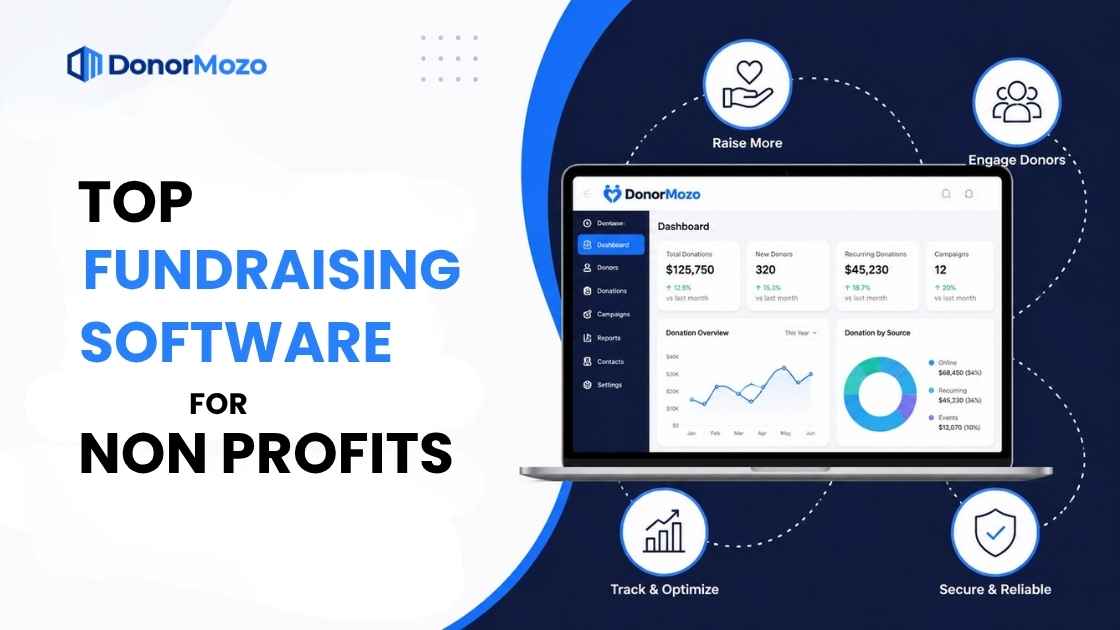
Top Fundraising Software for Nonprofits

Nonprofits need to raise funds and maximize donor engagement. For that, they need reliable tools. Fundraising software helps organize fundraising campaigns and track donor data. With the right platform, nonprofits can automate tasks, reduce errors, and save time.

Software also enhances the donating experience. That encourages recurring giving. A good fundraising platform can help a charitable organization reach more supporters and gain fundraising opportunities. The right tools help create a more efficient, engaging, and organized approach to nonprofit fundraising.

Why Nonprofits Need Fundraising Software

Why Nonprofits Need Fundraising Software

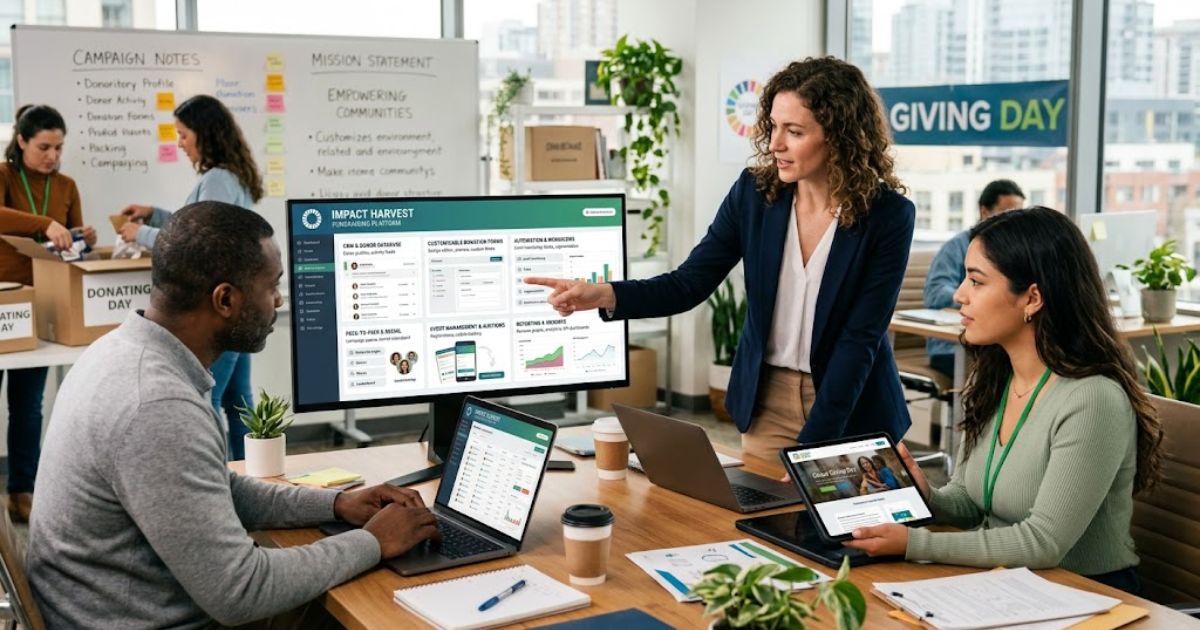
Charities need to manage their money collections efficiently. That is why they need a fundraising platform. Software tracks donor data, manages events, and organizes fundraising efficiently. It reduces manual work and allows for focusing on building relationships.

Managing Donor Relationships

Strong donor connections help nonprofits maintain loyal supporters. Donor management tools store donor information, track donation history, and maintain donor relationships. Staff can personalize messages, thank donors, and encourage repeat contributions. Effective use of software ensures supporters feel valued and engaged. Nonprofits also gain insights into donor preferences, making each interaction more meaningful.

Tracking Donations and Recurring Giving

Software handles both one-time and recurring giving seamlessly. Donation forms can be customized for ease and convenience. Automated reports show who gave, when, and how much. These fundraising reports help nonprofits track fundraising goals and adjust strategies. Knowing donor trends improves planning and maximizes fundraising potential.

Simplifying Campaigns and Events

Software makes fundraising, auctions, and events easier to manage. Features like ticket tracking reduce errors and save time. Nonprofits can plan peer-to-peer fundraising and use online fundraising solutions without stress. Automation ensures a seamless donor experience while staff can focus on outreach. By integrating all tools in one platform, nonprofits achieve smoother events and higher participation.

Key Features of Top Fundraising Software

The best nonprofit fundraising software offers tools that help nonprofits raise funds and improve donor engagement. Choosing software with the right fundraising features ensures smoother campaigns, better reporting, and more efficient operations. The right platform allows them to focus on strategy instead of manual tasks.

Customizable Donation Forms

Charities can create customizable donation forms that match their branding. These forms collect donor information and streamline online giving. Staff can set up forms for one-time or recurring giving, making the process easy for supporters. Donation tools improve the giving experience and increase participation. Custom forms can also include suggested giving levels, notes, or optional campaigns to encourage larger contributions.

CRM and Donor Database Tools

A nonprofit CRM centralizes donor data and maintains history. Charities can track donations, segment supporters, and follow up personally. Donor management becomes simpler with automated workflows and reporting. This ensures nonprofits maintain strong relationships and improve long-term retention. CRM tools also help identify high-potential donors and create targeted outreach campaigns.

Automation and Seamless Workflows

Automation reduces repetitive tasks for nonprofits. Software can send donation receipts, reminders for recurring giving, and follow-ups for events automatically. This creates a seamless experience for both staff and donors. Automated workflows allow teams to focus on strategy, outreach, and event planning, saving time and improving campaign efficiency.

Peer-to-Peer Fundraising and Social Sharing Options

Peer-to-peer fundraising tools allow supporters to create personal campaigns to raise funds. Social sharing options help donors spread the word and engage their networks. This increases participation, expands, and strengthens engagement. Staff can monitor these campaigns and offer guidance to maximize results.

Event Management and Auction Management

Software supports event planning and auction management, helping nonprofits track attendees, manage ticket sales, and organize mobile bidding or in-person auctions. These tools reduce errors and enhance the donor experience. Successful events increase contributions and build stronger community support.

Reporting and Fundraising Insights

Top software provides detailed fundraising reports and analytics. Nonprofits can see which campaigns succeed and track fundraising goals. Insights allow staff to adjust strategies, identify top donors, and maximize fundraising potential. Comprehensive reporting ensures informed decision-making and continuous improvement.

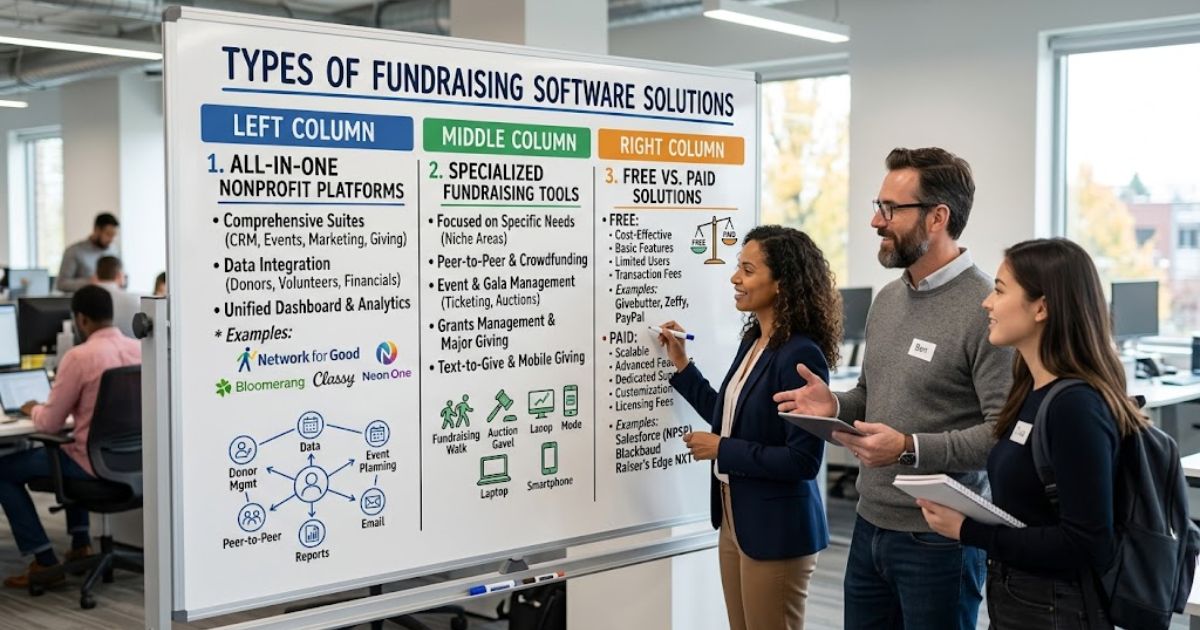
Types of Fundraising Software Solutions

There are many fundraising software solutions for nonprofits.  Each type provides unique tools for donor engagement, event planning, and streamlining fundraising efforts. Choosing the right solution allows them to save time, track progress, and reach more supporters.

All-in-One Nonprofit Platforms

All-in-one nonprofit platforms combine CRM, donor management, online fundraising solutions, and volunteer management in a single system. Nonprofits can use them to handle all tasks and reduce manual work. Platforms like Bloomerang and DonorPerfect simplify workflows and maximize fundraising potential. Staff can track donations, manage events, and organize volunteers from one dashboard. This approach reduces errors, improves donor engagement, and ensures campaigns run smoothly.

Specialized Fundraising Tools

Some software focuses on specific needs, such as peer-to-peer fundraising, auction management, or event planning. Tools like Classy and Qgiv allow nonprofits to create targeted campaigns, track donor information, and run engaging events. Specialized software is ideal for nonprofits with unique goals or smaller teams that need focused solutions. These tools enhance the giving experience while making campaigns easier to manage.

Free vs Paid Fundraising Solutions

Nonprofits can choose between free fundraising tools and paid platforms. Free options, like GiveLively, allow campaigns with no platform fee, helping small organizations start quickly. Paid platforms provide more fundraising features, customizable options, and advanced reporting. Nonprofits select solutions based on budget, staff capacity, and fundraising goals. Choosing the right model ensures the organization can grow donations efficiently while providing a positive experience for donors.

Benefits of Using Fundraising Software

Benefits of Using Fundraising Software

The right fundraising platform helps nonprofits improve supporter engagement, streamline processes, and raise funds efficiently. Software reduces manual work, provides insights into giving trends, and allows staff to focus on strategy.

Improved Donor Engagement

Software helps nonprofits maintain strong relationships. Tools like donor management and CRM track giving history and donor preferences. Personalized communication encourages supporters to give again and builds long-term loyalty. Nonprofits can also identify high-potential donors and tailor campaigns to meet their interests. Strong engagement increases donations and expands fundraising prospects.

Simplified Volunteer Management

Many platforms include volunteer management features. Nonprofits can schedule volunteers, track hours, and organize teams. Automation reduces repetitive tasks, ensuring smoother campaigns and higher volunteer satisfaction. Seamless workflows save staff time while boosting participation and support for events and initiatives.

Optimized Campaign and Fundraising Strategies

Software provides insights into fundraising goals and campaign performance. Nonprofits can refine strategies using features like peer-to-peer fundraising, donation tools, and customizable donation forms. This helps teams plan campaigns more effectively, target supporters, and maximize donations. Well-planned campaigns lead to stronger engagement and measurable growth.

Expanded Fundraising Opportunities

Software opens new channels, including online giving, mobile bidding, and social media campaigns. Nonprofits can manage fundraising campaigns across platforms while reaching wider audiences. Tools like text-to-give make it easy for donors to contribute anytime. These features increase convenience, engagement, and overall fundraising results.

How to Choose the Best Fundraising Software

How to Choose the Best Fundraising Software

Selecting the right fundraising software solutions for nonprofits ensures smooth donation management and more successful fundraising. The right platform saves staff time, improves engagement, and maximizes overall donor acquisition potential.

Consider Features and Tools

Nonprofits should look for software with the right fundraising features, including CRM, donor database, and automation. Platforms with fundraising and donor management tools simplify staff workflows, track donor data, and provide fundraising insights. Strong features help teams run campaigns efficiently while maintaining personalized communication with supporters.

Evaluate Platform Fees and Integration Options

Check for hidden platform fees before investing in a tool. Integration with payment processors like Stripe ensures smooth online giving. Nonprofits should also review compatibility with existing systems, including accounting and volunteer management tools. Proper integration makes campaigns seamless and reduces staff errors.

Look for Customizable Options

Software should allow customized fundraising and donation forms. Nonprofits can match branding, tailor giving experiences, and create unique campaigns. Platforms that adapt to nonprofit needs increase donor engagement, encourage repeat donations, and expand fundraising opportunities.

Assess Support and Training

Good software provides training and ongoing support. Staff should learn to use all-in-one nonprofit platforms, fundraising dashboards, and reporting tools effectively. Proper training ensures nonprofits use software properly, run campaigns efficiently, and maintain strong donor relationships.

Popular Top Fundraising Software for Organizations

Popular Top Fundraising Platforms for Non Profits

Charities can rely on top fundraising software solutions to collect donations and manage supporter information. The right platform simplifies operations, increases efficiency, and strengthens supporter connections, helping organizations meet their donation objectives.

Bloomerang – All-in-One Donor Management

Bloomerang helps organizations track supporter involvement, manage a donor database, and run fundraising efforts efficiently. Its fundraising features include automated communications, flexible donation forms, and retention tools. Staff can analyze giving history and send personalized messages. The platform allows organizations to retain supporters and grow donations consistently.

DonorPerfect – CRM and Donation Tracking

DonorPerfect offers a powerful nonprofit CRM with automated reports and donor management tools. Organizations can track supporter information, organize fundraising projects, and optimize strategies. Insights from reporting help staff focus outreach on high-potential supporters and improve collection results.

Classy – Peer-to-Peer Fundraising

Classy specializes in peer-to-peer fundraising. Organizations can create fundraising pages, run social media projects, and encourage repeat donations. Its tools simplify supporter participation and allow supporters to involve their networks, increasing overall fundraising prospects.

Qgiv – Digital Contributions, Auctions, and Events

Qgiv provides tools for auction management, event management, and text-to-give. Organizations can host in-person or virtual events, track attendance, and use flexible donation forms. This platform reduces manual work and improves the contribution journey for supporters.

GiveLively – Free Fundraising and Regular Donations

GiveLively is free software that supports repeat donations, digital contributions, and simple donation tools. Organizations can expand fundraising efforts with no platform fee, making it ideal for smaller teams or pilot projects.

Bonfire – Campaign Dashboard and Social Fundraising

Bonfire provides a campaign dashboard to track progress, manage social sharing options, and strengthen supporter connections. Its features allow organizations to analyze results and streamline outreach across multiple platforms.

Tips to Maximize Fundraising Software Effectiveness

Tips to Maximize Fundraising Software Effectiveness

Using fundraising software effectively allows charities to collect more donations, manage supporter information, and strengthen supporter connections. Proper implementation increases efficiency, reduces staff workload, and ensures contributors experience a smooth, reliable contribution journey. Teams that understand the software fully can track results, analyze trends, and make informed decisions to improve overall outcomes.

Integrate Regular Donation Options

Encourage supporters to set up regular contributions. This approach provides a predictable income that organizations can rely on to plan initiatives. Platforms often allow automated reminders and receipts, making the giving process smooth for staff and supporters. Automation also ensures contributors are acknowledged promptly, maintaining strong relationships over time. By making regular contributions simple and convenient, organizations can encourage loyalty and consistent support, which strengthens financial stability and long-term planning.

Use Social Sharing and Text-to-Give Tools

Promote fundraising through social media, email, and text-to-give features. Supporters can give quickly from their phones or share links with friends, expanding the reach of projects. Social sharing allows contributors to involve their networks, increasing awareness of initiatives and driving additional donations. Integrating these tools creates multiple access points for supporters and helps organizations reach diverse audiences. Regular promotion and visibility through digital channels maximize participation and enhance the impact of each initiative.

Track Donation Objectives and Reports

Monitor collection targets using detailed software reports. These tools provide insights into project performance, supporter activity, and event outcomes. Analytics help staff identify top supporters, recognize trends, and refine strategies for greater effectiveness. Organizations can see which methods generate the most support and adjust approaches accordingly. Regular review of reports ensures efforts remain aligned with organizational priorities and makes it easier to plan future projects.

Encourage Supporter Participation with Personalized Communication

Use a CRM to track giving history and send personalized updates. Tailored messages keep supporters engaged, informed, and connected to the organization’s mission. Recognizing major contributors, providing updates on initiatives, and sending reminders for giving opportunities strengthen loyalty. Personalized communication demonstrates care and attention, which encourages continued support and helps maintain a strong, reliable network of contributors over time.

Conclusion

Choosing the right tools and systems can make a significant difference in how effectively your organization operates. Focus on solutions that simplify processes, reduce manual work, and give you clear insights into your activities. Prioritize options that your team can easily learn and adopt, and consider how each choice will impact both staff and the people you serve.

Regularly review your strategies and adapt as needed to ensure your efforts remain efficient and effective. Thoughtful planning and consistent evaluation will help your organization achieve its goals and make the most meaningful impact.

10 Powerful Online Fundraising Ideas for Nonprofits

Your nonprofit needs a robust fundraising strategy to thrive and grow. The right fundraising idea can help raise funds quickly and build trust.
Online fundraising gives nonprofits an easy way to connect with people. It helps teams reach a wider audience and support your mission.

Online Donation Pages

A clear donation page is the first step in successful nonprofit fundraising. It should load quickly. The effectiveness of online fundraising starts with simple giving tools. A smooth online donation process makes donors feel confident.
Make it easy for people to donate from mobile devices. Many visitors want to use quick payment options. This is an effective way to help people give. Even those who can only give a small amount can still help.
A good page should also offer a one-time gift option. You can also offer donors monthly giving choices. This simple setup creates a strong way to raise money and improve supporter engagement.

Peer-to-Peer Fundraising

Peer-to-peer fundraising helps supporters become ambassadors. It allows them to spread the word among friends and family. Create branded fundraising pages that supporters can share. This helps new supporters learn about your organization or cause.
This model works well for organizations that want fast growth. It can also attract new donors. Ask supporters to fundraise for birthdays or milestones. Their personal stories help encourage supporters and inspire action.
This method helps raise money in a trusted way. People often respond better when someone they know is asking for donations. It also helps with fundraising and allows community-driven growth. This can bring strong and impactful results.

Crowdfunding

A crowdfunding campaign works best around a clear goal. Tell supporters exactly why you need help. Use a landing page with images and updates. Always link back to your website for trust.
A good campaign should explain the need in a step-by-step way. Clear goals help people act faster. Share how each contribution helps the cause. This helps supporters to contribute with confidence.
This type of fundraiser works well for urgent projects. It can support equipment, events, or emergency needs.
Many community members respond when the purpose feels personal. This can help the community to give more generously.

Corporate Partnership

Working with corporate sponsors can boost your reach. A trusted sponsor adds credibility. Local companies often support causes that match their brand values. This helps build long-term partnerships.
A matching gift program can double every donation. This is a smart way to leverage corporate support. Many organizations use this model for annual drives. It helps build a stable income.
Reach out to businesses and request donations for shared causes. This improves local trust. Partnerships also help bring funds for your organization beyond direct giving.

Merchandise Sales

Selling products or services can support your mission. Branded shirts, mugs, and greeting cards work well. You can also consider selling seasonal items. Holiday products often perform strongly.
Use sales to build awareness for your cause. Every item can carry your story. This is a smart online fundraising idea because it mixes giving with value. Buyers feel connected.
You can also partner with local restaurants for shared promotions. This expands visibility. Sales campaigns help supporters feel involved while helping you raise funds.

Social Media Contest

You can run a contest on social platforms in creative ways. It can quickly go far and wide. Ask followers to join a photo challenge or short video contest. Then ask participants to share it.
You may charge an entry fee to join. You can also charge admission for special access. Include an entry fee and offer prizes to increase excitement. People enjoy a chance to win.
This is a strong way to build attention and support your cause. It also brings in prospective donors. A fun contest can also improve fundraising efforts across channels.

Virtual Events

You can host an online event that supporters can join from anywhere. Try a webinar that teaches something useful. You can also host a live-stream event with guest speakers.
A movie night can build community in a relaxed way. A game night also works well. Some groups run a trivia night or talent show. These events increase engagement.
You may sell tickets or charge admission before entry. This helps cover costs.These in-person fundraising events can also have online versions. This gives flexibility.
Ask participants to donate during the event. This creates a smooth giving moment.

Email Campaign

Email remains a strong tool for a fundraising campaign. It helps keep messaging direct. Write short emails that explain the need. Use a strong story and clear call to action.
Ask donors to give toward a specific outcome. People respond better to clear goals.Email can also help people to give after events. Follow-up messages matter.
Use it to explain why you need support and how gifts help. This strengthens trust. A good email can move prospective donors into active supporters.

Giving Day Campaign

A giving day creates urgency and excitement for supporters. It focuses all efforts on one specific day. Set a clear goal and timeline for the campaign. This helps people act quickly and stay engaged.
Promote the day across all channels before it starts. Early awareness increases participation. Use countdowns and reminders during the day. This keeps energy high and encourages action.
Share progress updates throughout the day. This builds momentum and motivates others to join. Celebrate results at the end of the campaign. This helps supporters feel proud of their impact.

Request Donations for Specific Needs

Specific requests perform better than general ones. Tell people exactly what you need. Ask for help with supplies, food, travel, or event costs. Clear requests elicit responses.
This helps new donors understand the impact. It also motivates returning supporters. Use examples like school kits, food boxes, or medical aid. Tangible needs drive action.
This approach helps supporters to contribute faster. It also improves trust.

How DonorMozo Can Help

DonorMozo offers simple tools to manage and grow support. It helps teams create smooth giving experiences. You can build clean pages that load fast and work on all devices. This improves user experience.
The platform supports easy tracking of supporter activity. This helps teams make better decisions. It also helps manage campaigns from one place. This saves time and reduces manual work.
Teams can send updates and messages without effort. This keeps communication clear and consistent.

The Final Words

The right fundraising approach depends on your audience and goals. Different methods serve different needs. Strong fundraising software can help track results and improve giving. By implementing these online fundraising ideas, you can generate lasting support and help your mission grow.

Why Every Non-Profit Needs a Modern Donation Platform in 2026

There have been notable changes in the trends of raising funds. Digital solutions have brought about the transformation. That is why every nonprofit needs a reliable platform to manage donations efficiently and securely. These systems simplify giving while improving workflow. As such, staff can focus more on mission-critical work and less on administrative tasks.
A donation platform ensures that every supporter can give quickly and safely. Charities no longer rely on paperwork or complicated manual tracking. Today’s fundraising platform allows teams to track every gift, monitor engagement, and provide contributors with meaningful updates.
Software systems manage operations across multiple fundraising drives. Each donor feels valued, and every fundraiser can organize events and communications seamlessly. Platforms make it easy for supporters to give.
By adopting such solutions, you can centralize operations, reduce errors, and save time. Donation solutions have become essential for NGOs to compete for contributor attention in 2026.

What are Donation Tools

A software donation system simplifies giving. It allows a contributor to donate in minutes while providing the NGO with accurate, real-time data. A fundraiser can use the software to monitor drives, track goals, and engage supporters more effectively.
NGOs can give supporters clear and flexible options. Each fundraiser can be tailored to match the nonprofit’s mission and target audience.
Such solutions allow any nonprofit to centralize processes. A simple form collects donor details, while event registration is integrated into the system. Each NGO can create professional donation workflows that the team can follow easily.
This integration allows staff to focus on creating content, telling stories, and connecting with supporters rather than managing spreadsheets and manual tracking.

Benefits of a Donation Software

Solutions increase trust among supporters due to transparency, security, and consistent communication. They improve peer-to-peer drives, letting every contributor feel like an ambassador.
A software reduces fee concerns, simplifies online donations, and makes giving easy for contributors. Each solution supports NGOs in defining goals, managing contributions, and tracking progress clearly.
Solutions also enhance the brand, maintain integration with existing systems, and provide professional page layouts for fundraisers. Following simple tips helps NGOs improve results and keep donors engaged.
With these benefits, teams can focus on strategy, storytelling, and mission fulfillment. Contributors feel appreciated, campaigns grow faster, and staff can work efficiently.

Key Features to Look For

The best donation systems offer robust data tracking and secure access to contributor information. Solutions help NGOs build better campaigns, grow reach, and maximize impact on their communities.
Consider pricing carefully and compare average platform costs. Detailed report features enable teams to track donations from anywhere, improving transparency and accountability.
Communications like email are helpful, allowing updates, reminders, and thank-you messages. Solutions are smart, seamless, and designed for every user. Google Analytics integration can further increase reach and engagement with supporters.

How Solutions Help Non-Profits Grow

Donation solutions empower NGOs to expand their contributor base. Nonprofit fundraising becomes easier and more measurable with the right resource for campaigns.
Contributor management is simple, allowing NGOs to reach millions of potential supporters globally. Solutions support customizable donation forms, text-to-donate, and ticket management for events.
Solutions offer flexible payment options, improving campaign success and reach. NGOs can fundraise efficiently using integrated solutions like PayPal, ensuring a professional experience.
Solutions make giving perfect for charity work. Mobile support ensures students, volunteers, and community supporters can engage anytime. Organizations can scale campaigns and attract repeat contributors without extra overhead.

Cost and Pricing Considerations

A strong CRM ensures solutions are fully functional. Recurring giving options allow organizations to automatically collect contributions. Staff support via phone ensures issues are resolved quickly.
Select a powerful system to eliminate delays and technical challenges. Features that are impactful, including Apple Pay, strengthen contributor connection. The ideal platform works everywhere, accommodating supporters across devices and locations.
Award-winning solutions integrate into your tech stack for daily operations and reporting. These systems save time, improve efficiency, and enhance fundraising for organizations of all sizes.

Engaging Contributors

Organizations can instill trust by providing transparent processes and sharing progress updates. Offering multiple donation forms and giving choices allows contributors to choose how they contribute.
Reach supporters via email, phone, and online channels. Solutions help track engagement and maintain records. Personalized communication improves loyalty and long-term support for campaigns.
Staff can focus on telling stories, highlighting impact, and making contributors feel connected. Solutions make it easy to maintain strong contributor relationships with minimal manual work.

Success Stories and Case Studies

Many philanthropy organizations grow faster using modern donation solutions. Measurable impact is visible to both contributors and staff. Modern solutions streamline operations and improve results.
Case studies show how such organizations increase donations, manage campaigns, and attract supporters globally with minimal effort. Solutions allow data-driven decisions to maximize results for every campaign.

Tips for Choosing the Right Donation Platform

Selecting the right donation solution is crucial for maximizing contributions and ensuring a smooth experience for both your team and donors. A strong tool should integrate seamlessly with your existing website, provide flexibility, and offer a powerful system that enhances user experience and strengthens donor connection.
Key features to look for include:

  • Custom forms for personalized donation options
  • Recurring donations to encourage ongoing support
  • Real-time analytics for tracking and measuring campaign success
  • Team collaboration tools for efficient workflow
  • Choosing the right software saves time, improves campaigns, and helps your nonprofit increase donations over the long term.

    Conclusion

    Adopting the right tools and strategies can make a significant difference for your NGO. Planning carefully and staying organized ensures long-term success. Involving supporters builds trust and encourages continued involvement. Focusing on efficiency and clear communication helps achieve meaningful results and lasting impact.

    The Power of Peer-to-Peer Fundraising: 7 Strategies for Success

    Peer-to-peer fundraising has emerged as a powerful tool for nonprofits to raise funds, engage with supporters, and spread awareness about their mission. Peer-to-peer fundraising essentially involves individuals soliciting donations from their personal network of friends, family, and colleagues, to support a cause or organization they believe in. It has become an increasingly popular way for nonprofit to raise funds as it leverages the power of social networks and harnesses the passion of supporters to reach new donors and achieve fundraising goals.

    Here are seven strategies for success in peer-to-peer fundraising:

    1. Empower your supporters:

    The key to a successful peer-to-peer campaign is to empower your supporters to become advocates for your cause. Provide them with the fundraising tools, resources, and guidance they need to fundraise effectively on your behalf. This can include creating customizable individual fundraising pages, providing sample social media posts and email templates, and offering tips on how to reach out to potential donors. In addition, it’s important to keep your supporters engaged and motivated throughout the campaign by regularly communicating with them, providing updates on your progress, and expressing gratitude for their contributions. You can also encourage friendly competition among your supporters by offering incentives or rewards for reaching certain fundraising milestones. Remember to track and analyze your campaign’s performance to identify areas for improvement and replicate successful strategies in future campaigns. With a strong focus on supporter empowerment and engagement, your peer-to-peer campaign can effectively mobilize a community of advocates and drive significant impact for your cause.

    2. Create a sense of urgency:

    To motivate supporters to fundraise, it’s important to create a sense of urgency around your campaign. Set specific fundraising goals and deadlines and communicate them clearly to your supporters. Highlight the impact their start Fundraising platform for nonprofits efforts will have on your organization and the people you serve. For example, you could communicate how many meals their donations will provide to hungry families, or how many students their donations will help educate. Additionally, it’s essential to keep your supporters updated on the progress of your campaign and the impact of their contributions. Utilize social media and email newsletters to share success stories and thank your donors for their generosity. Creating a sense of community and showing your appreciation for your supporters will foster long-term engagement and loyalty. Finally, be transparent about how the funds will be used and the outcomes you hope to achieve. This will help build trust and credibility with your donors, which is crucial for the success of any fundraising campaigns.

    3. Leverage social media:

    Social media is a powerful tool for start peer-to-peer fundraising as it allows supporters to easily share their fundraising pages with their networks. Encourage your supporters to use social media fundraising to promote their next Peer-to-Peer Fundraising campaign and provide them with branded social media graphics and hashtags to use. Consider running a social media contest to reward supporters who generate the most engagement or donations.

    Additionally, it is crucial to create compelling and engaging content for social media platforms that will inspire potential donors to take action. Utilize eye-catching images and videos to help your supporters tell their stories and showcase the impact of their digital fundraising power. Encourage your supporters to personalize their social media posts and explain why they are fundraising for your cause.

    It’s also essential to monitor and respond to social media activity promptly. Use email and social media listening tools to track mentions of your organization and campaign, and promptly acknowledge and thank donors for their contributions. This will demonstrate your appreciation and foster stronger relationships with your supporters.

    In conclusion, social media is a valuable tool for creating a peer-to-peer fundraising. Providing your supporters with the necessary resources, running social media contests, and creating engaging content can help maximize their fundraising teams struggles and drive more donations to your cause.

    4. Make it easy for supporters to donate:

    The easier you make it for supporters to donate, the more likely they are to do so. Make sure your nonprofit fundraising campaign team pages are mobile-friendly, and offer a variety of payment options such as credit card, PayPal, and Apple Pay. Consider offering recurring donation options to encourage ongoing support. In addition to making the donation process easy and accessible, it’s also important to communicate the impact of donations. Clearly stating the goals and outcomes of the fundraising campaign can inspire potential supporters to contribute. It’s also essential to express gratitude to donors through personalized messages and thank-you notes. Don’t forget to promote the effective fundraising campaigns across various channels, including social media, email newsletters, and your organization’s website, to reach a wider audience and maximize donations. Regularly updating donors on the progress of the campaign can also keep them engaged and motivated to continue supporting your cause.

    5. Provide recognition and incentives:

    Recognizing and rewarding your supporters for their p2p fundraising efforts can go a long way in motivating them to continue. Consider offering incentives such as branded merchandise, shout-outs on social media, or exclusive access to events or experiences. Provide regular updates on how their fundraising strategies are making a difference to your organization and the people you serve. Additionally, personalizing the recognition and rewards for each individual supporter can make them feel valued and appreciated. Consider sending handwritten notes or personalized thank you videos to express your gratitude. Publicly acknowledging their efforts at events or in newsletters can also increase their sense of accomplishment and motivation to continue supporting your cause. Remember to consistently communicate the impact of their contributions and show how their support is making a difference in achieving your organization’s goals.

    6. Create a sense of community:

    Peer-to-peer fundraising is a social activity, and creating a sense of community among your supporters can help drive engagement and collect donations. Encourage your supporters to connect with each other through online forums, social media groups, or virtual events. Create opportunities for supporters to share their fundraising successes and challenges, and provide support and encouragement to each other. In addition to fostering a sense of community among your supporters, it’s important to provide them with the tools they need to successfully fundraise on your behalf. This can include setting up customizable fundraising pages, providing suggested messaging and graphics, and offering tips and best practices for reaching out to potential donors. Regular communication and updates can also help keep your supporters engaged and motivated throughout the fundraising process. By empowering your supporters and building a strong community around your cause, you can maximize the impact and benefits of peer-to-peer fundraising struggles.

    7. Measure and analyze your results:

    To improve the effectiveness of your nonprofit peer-to-peer campaign, it’s important to measure and analyze your results. Track metrics such as the number of donors, total amount raised, and average donation amount. Use this data to identify what’s working well and what could be improved, and adjust your peer-to-peer fundraising strategies accordingly.

    In conclusion, peer-to-peer fundraising campaign is a powerful tool for Non-profits to raise money and engage with their supporters. By empowering your supporters, creating a sense of urgency, leveraging social media platforms, making it easy to donate, providing recognition and incentives, creating a sense of community, and measuring and analyzing your results, you can maximize the impact of your peer-to-peer fundraiser campaign and achieve your peer-to-peer fundraising goals.

    8. Crowdfunding

    Crowdfunding is a method of raising funds through a collective effort of a large number of individuals. It’s an effective way to support various projects or philanthropic causes. Crowdfunding platforms have been established to make the process easier and more accessible. Projects can be funded in a variety of ways such as donations, rewards, or equity. Encourage your peer-to-peer fundraisers has opened up opportunities for individuals and small businesses to raise more money without the need for huge loans. fundraising on your behalf creates a community-driven effort and encourages innovation in various fields. Crowdfunding campaign has also become a popular method of investment for those looking to support emerging startups. However, the process has its challenges as campaigns may not always reach their peer-to-peer fundraising success, and there is a possibility of fraudulent activity.

    9. Fundraising Event

    A fundraising event is a great way to raise money on behalf of a cause you care about. These new peer-to-peer event bring people together to contribute to a common goal, and they can take many forms: auctions, charity walks, benefit concerts, and more. Whatever type of event you choose, it’s important to plan ahead and promote it well. Be sure to communicate the details and purpose of the event to potential donors, and consider offering incentives for people who give more. Also, don’t forget to say thank you to everyone who participates, regardless of the amount they donate. Ultimately, a successful peer-to-peer fundraising event can go a long way in supporting the people, organizations, or issues that matter most to you.

    Benefits of peer-to-peer fundraising

    Peer-to-peer fundraising is a form of crowdfunding that relies on the network of supporters to raise funds for a cause or charity. This method has gained popularity in recent years due to its effectiveness and various benefits.

    1. Increased Reach and Engagement

    Peer to peer fundraising allows nonprofits to tap into the networks of their supporters, thereby increasing their reach and engagement. Many peer-to-peer Supporters can easily share the campaign with their friends, family, and colleagues, leading to greater awareness and donations.

    2. Cost-Effective

    Peer-to-peer platform is a cost-effective way to raise funds. Non-profits can save on marketing and advertising costs as new supporters take on the responsibility of promoting and create their own fundraising campaign.

    3. Improved Donor Retention

    Peer-to-peer fundraising tools help improve donor retention as supporters feel more invested in the campaign and the cause. They are more likely to become repeat donors and continue to helps nonprofits fundraising needs.

    4. Stronger Sense of Community

    Peer fundraising creates a sense of community among supporters as they come together for a common cause. Running a peer-to-peer fosters a spirit of collaboration and teamwork, leading to stronger relationships and support for many Non-profits.

    In conclusion, fundraising involves effective peer-to-peer software which is a cost-efficient way to raise funds while also building a stronger sense of community and increasing donor retention. Peer-to-peer fundraising works for Non-profits should consider incorporating this fundraising solution into their fundraising strategies.

    Best peer-to-peer fundraising software

    DonorMozo is an online fundraising platform for nonprofits that offers a wide range of features to help organizations run successful peer-to-peer campaign. With DonorMozo fundraising software, nonprofit can create customizable donation pages, use peer-to-peer fundraising pages, and event registration campaign page. They can also leverage social fundraising media sharing tools, gamification features, and automated email and thank-you messaging with peer-to-peer fundraiser.

    DonorMozo Peer-to-peer fundraising platform is user-friendly and easy to navigate, making it simple for Non-profits to manage their fundraising campaigns and engage with their supporters. In addition to the aforementioned features, DonorMozo also provides extensive reporting and analytics tools to track the success of p2p campaign and measure their impact. Fundraising site for Non-profits can easily view key performance indicators such as donation amounts, donor demographics, and social media reach. The p2p platform also offers integrations with popular third-party tools, including Salesforce, Mailchimp, and PayPal, to further streamline the fundraising process. With DonorMozo Peer-to-peer fundraising software, Non-profits can maximize their funds through fundraising method and achieve their goals while building lasting relationships with their supporters.

    Top 10 creative fundraising ideas for nonprofit organizations

    Nonprofit organizations rely heavily on donations from individuals and businesses to support their missions. However, fundraising can be challenging, especially for smaller organizations with limited resources. That’s why it’s essential to get creative when it comes to fundraising. In this blog post, we’ll share ten creative fundraising ideas for nonprofit organizations.

    1. Peer-to-Peer Fundraising

    Peer-to-peer fundraising is an excellent way to engage your supporters and raise money for your organization. In this type of fundraising, individuals create their fundraising pages and solicit donations from their friends, family, and social networks. This way, you can tap into the networks of your supporters and reach a broader audience.

    To make peer-to-peer fundraising successful, you need to provide your supporters with the tools and resources they need to create effective fundraising pages. This includes guidance on how to tell their story, suggested donation amounts, and images or videos to share.

    2. Crowdfunding

    Crowdfunding is another popular way to raise money for nonprofit organizations. With crowdfunding, you can create an online fundraising campaign on a fundraising platform and share your campaign page through email, text message, and social media and ask people to donate to your cause. You can set a specific fundraising goal and provide regular updates on your progress.

    To make your crowdfunding campaign successful, you need to create a compelling story that inspires people to donate. You also need to provide incentives for people to donate, such as exclusive merchandise or shoutouts on social media. DonorMozo empowers non-profits to launch digital campaigns effortlessly. Through its user-friendly platform, organizations can create a single mobile-friendly page and share it across multiple channels, including social media, email, text messages, and WhatsApp. By leveraging the power of crowdfunding, DonorMozo makes it easier for non-profits to collect donations and reach their fundraising goals more efficiently and effectively.

    3. Matching Gifts

    Matching gifts are a great way to increase the impact of your fundraising efforts. With matching gifts, a company or individual pledges to match the donations made by your supporters up to a certain amount. This can incentivize people to donate more, knowing that their donation will be matched.

    To make matching gifts successful, you need to identify companies or individuals who are willing to pledge matching gifts and promote the matching gift program to your supporters.

    4. Online Sales

    Online sales can be an effective way to raise money for your nonprofit organization, especially if you sell merchandise that aligns with your mission. You can set up an online store on your website and see your merchandise.

    To make online sales successful, you need to promote your merchandise on social media, create eye-catching product images, and offer discounts or promotions to incentivize people to buy.

    5. Social Media Challenges

    Social media challenges can be a fun and engaging way to raise awareness and funds for your nonprofit organization. You can create a challenge around a specific theme or cause and ask people to participate and donate.

    To make Digital Fundraising Strategies for Non-Profits successful, you need to create a clear set of instructions for the challenge, promote it on social media using hashtags, and provide incentives for people to participate and donate.

    6. Fundraising Events

    Fundraising events are a classic way to raise money for nonprofit organizations. You can host virtual events like online concerts or auctions, or host in-person events like a charity walk, Gala or run. To make your fundraising event successful, you need to promote it well in advance, provide clear instructions on how to participate, and offer incentives for people to attend and donate. You can leverage event platforms such as EventMozo.com to promote and sell event tickets for your fundraising events.

    7. Online Giving Days

    Online giving days are becoming increasingly popular among nonprofit organizations. These are days when people are encouraged to donate to their favorite causes through online platforms. You can participate in national giving days like Giving Tuesday, or create your own online giving day for your organization.

    To make your online giving day successful, you need to promote it well in advance, create a sense of urgency around the event, and offer incentives for people to donate, like matching gifts or exclusive merchandise.

    8. Corporate Sponsorship

    Corporate sponsorship can be a significant source of revenue for nonprofit organizations. You can reach out to businesses in your community and ask them to sponsor your organization or specific events. In return, you can offer them advertising or promotional opportunities, like having their logo on your website or event materials.

    To make corporate sponsorship successful, you need to identify businesses that align with your mission, create a clear proposal outlining the benefits of sponsorship, and provide regular updates to your sponsors on your progress.

    9. Donor Appreciation

    Finally, donor appreciation is an essential part of fundraising for nonprofit organizations. It’s essential to show your supporters how much you appreciate their donations and support. You can send personalized thank-you notes, host donor appreciation events, or create a donor recognition program.

    To make donor appreciation successful, you need to make it a priority in your fundraising strategy, create a system for tracking and thanking donors, and provide regular updates on how their donations are making a difference.

    10. Auction Events

    Fundraising events have been a popular method for nonprofit organizations to generate funds. Hosting in-person events such as charity walks, galas, and runs can create a sense of community while bringing in donations. Auctions at in-person events can also be a successful method of fundraising for nonprofits, offering unique experiences and items to donors. Consider incorporating auctions into your next fundraising event to maximize your nonprofit’s impact.

    In conclusion, this blog post has highlighted ten creative fundraising ideas for nonprofit organizations, including peer-to-peer fundraising, crowdfunding, matching gifts, online sales, social media challenges, fundraising events, online giving days, corporate sponsorship, donor appreciation, and auction events. By implementing one or more of these strategies, nonprofits can engage their supporters, reach new audiences, and raise more money for their cause. With the right tools and resources, even smaller nonprofits with limited resources can succeed in their fundraising efforts and make a significant impact.

    One effective fundraising platform for nonprofits to consider is DonorMozo. DonorMozo is a user-friendly, cloud-based fundraising platform that allows nonprofits to create customized donation pages, manage donor information, and track donations in real time. With DonorMozo, nonprofits can easily set up online campaigns, collect donations from multiple channels, and leverage social media to reach a wider audience. In addition, DonorMozo offers a range of tools and resources to help nonprofits increase their online fundraising success, including personalized coaching, auction events, email marketing, and peer-to-peer fundraising campaigns. By using DonorMozo as a fundraising platform, nonprofits can streamline their fundraising efforts, engage donors, and raise more money for their cause.

    Using Social Media for Online Fundraising: Strategies for Nonprofits

    Social media has revolutionized the way nonprofits fundraise, engage donors, and spread awareness. With millions of active users on various social media platforms, nonprofits can now reach a broader audience with their message, resulting in more support and funding. However, simply being present on social media is not enough. Nonprofits must develop and implement effective social media fundraising strategies to maximize their potential impact.

    Here are some strategies for using social media to fundraise for nonprofits:

    1. Identify Your Goals and Audience

    Before creating any social media fundraising campaigns, nonprofits must identify their goals and audience. Goals may include raising a certain amount of money, increasing donor engagement, or expanding brand awareness. Once goals are defined, nonprofits should identify their target audience. This includes demographics such as age, gender, location, and interests.

    Knowing your goals and audience is crucial in crafting effective fundraising campaigns. It allows you to tailor your message and target specific groups of people who are more likely to donate.

    1. Create Compelling Content

    Social media is a highly visual platform, and nonprofits must create compelling content to grab their audience’s attention. This includes visually appealing images, graphics, and videos that showcase their mission, impact, and successes. Nonprofits should also create engaging captions that communicate their message in a concise and persuasive manner.

    Additionally, nonprofits can leverage storytelling to connect emotionally with their audience. Sharing stories of the people or communities they serve and how donations make a difference can motivate people to give.

    1. Social Paid Ads

    Non-profits can share and promote campaigns with their target audience through social media channels. Online fundraising platforms such as DonorMozo.com allows non-profits to create mobile-friendly campaign pages with compelling stories, which non-profit can share through social media to connect with the target audience.

    Non-profit can run social paid ads to promote these campaign pages on donormozo.com to reach and connect the target audience with their cause.

    1. Engage with Donors

    Engaging with donors on social media is crucial for building relationships and encouraging repeat donations. Nonprofits should respond to comments and messages promptly, thank donors publicly, and share updates on their progress.

    Additionally, nonprofits can create exclusive content for their donors, such as behind-the-scenes footage, sneak peeks, or personalized thank-you messages. This creates a sense of community and encourages donors to stay engaged and connected with the organization.

    1. Collaborate with Influencers

    Influencers are social media users with a large following who can promote your organization and fundraising campaigns to their followers. Collaborating with influencers can significantly expand your reach and bring in new donors.

    Nonprofits should identify influencers who align with their mission and values and reach out to them to discuss potential collaborations. These collaborations may include sponsored posts, takeovers, or fundraising challenges.

    1. Utilize Peer-to-Peer Fundraising

    Peer-to-peer fundraising is a method of fundraising where supporters create their own fundraising pages and share them with their friends and family. Nonprofits can leverage social media to encourage peer-to-peer fundraising by providing supporters with tools and resources to create their pages and share them on the organization’s social media platforms.

    Peer-to-peer fundraising not only raises more funds but also increases awareness of the organization and its mission. Non-profits can leverage DonorMozo.com’s peer-to-peer fundraising feature in their advantage to raise more funds.

    1. Use Data and Analytics

    Data and analytics are essential in measuring the success of social media fundraising campaigns. Nonprofits should track metrics such as engagement, reach, conversion rates, and ROI to evaluate the effectiveness of their campaigns.

    This data can be used to refine future campaigns and tailor them to better reach their target audience.
    In conclusion, social media provides nonprofits with a powerful tool to fundraise, engage donors, and spread awareness. By following these strategies, nonprofits can maximize the potential of social media and raise more funds to support their mission. However, it’s important to note that social media fundraising is not a one-time event but a continuous process that requires consistent effort and creativity.

    Nonprofits must also prioritize building trust and transparency with their donors. Donors want to know how their contributions are being used and the impact they’re making. Nonprofits should regularly share updates on their progress, successes, and challenges, and demonstrate accountability and good stewardship of donor funds.

    Lastly, nonprofits should not rely solely on social media for fundraising but should also explore other channels such as email, direct mail, events, and partnerships. A diversified fundraising strategy and nonprofit fundraising platform increase the likelihood of reaching a wider audience and raising more funds.

    In summary, social media is a powerful tool for nonprofit fundraising, but it requires intentional strategy, compelling content, and consistent engagement with donors. By following these strategies and staying focused on their mission and values, nonprofits can make a significant impact in their communities and beyond.

    DonorMozo Logo
    Privacy Overview

    This website uses cookies so that we can provide you with the best user experience possible. Cookie information is stored in your browser and performs functions such as recognising you when you return to our website and helping our team to understand which sections of the website you find most interesting and useful.